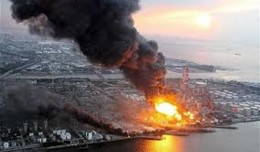
More than three years have passed since Japan’s now-infamous nuclear power plant Fukushima Dai-ichi experienced a meltdown following an earthquake and subsequent tsunami in March 2011.
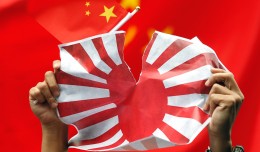
On September 22, The Economist asked “Could Asia really go to war?” The article concerned the potential ramifications of recent protests in China concerning the Japanese government’s recent purchase of the Diaoyu (or Sen...
Japanese law requires that public venues be licensed to permit dancing. Clubs and dance halls that are unlicensed can be – and are often – raided by the police. The Entertainment Business Act [ja] (“Fueiho” in Japanes...
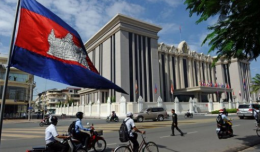
The annual ASEAN (Association of Southeast Asian Nations) Foreign Ministers meeting is in full swing this week in Phnom Penh, Cambodia, and thus far the talks have been highly revealing of the major trends and themes in the reg...
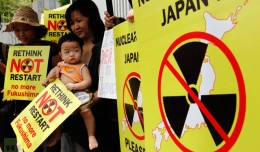
On June 23rd, 20,000 Japanese citizens staged a mass protest against Prime Minister Noda’s decision to restart two nuclear power plants. The on-going debate regarding the use of nuclear power has received a very negative rece...
1) Rise of the #ElectionDaySelfie One of the not so surprising phenomena that featured around election time in many countries was the taking and uploading of ‘Election Day’ selfies to social media pages. Instagram and Twi...
At the end of World War II vast swathes of Europe and Asia had been reduced to rubble. Borders were redrawn and homecomings, expulsions, and burials were underway as life goes on for those who survived the Great War. When the w...
At the moment it seems like a new incident of religiously-driven gang violence is appearing in the newspapers every day. What with the recent Kenyan mall massacre and the Nairobi school shooting, it seems like we have a chain r...
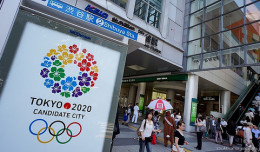
On 7 September 2013, Tokyo was awarded the 2020 Summer Olympics after the members of International Olympic Committee voted to select the host city from Tokyo, Madrid and Istanbul. As Tokyo celebrates its win, opinion leader...