Japanese law requires that public venues be licensed to permit dancing. Clubs and dance halls that are unlicensed can be – and are often – raided by the police. The Entertainment Business Act [ja] (“Fueiho” in Japanes...
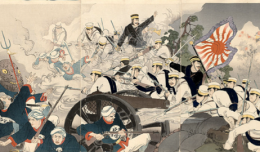
Grudges can last for a long time. The one held between China and Japan, the two traditional adversaries of the Far East, however, has been particularly lengthy. Since 1895, when China suffered a bitter defeat to Japan in the Si...
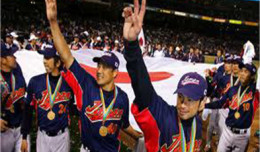
The third installment of the World Baseball Classic (WBC) began this weekend in five cities around the world. The tournament was established in 2006 as a response to the Olympic Committee vote in 2005 removing baseball from the...
For the last few weeks, Asian relations seem to have been put on hold. Tensions over territory and resources which dominated attention over the summer receded into the background as attention turned first to the United States, ...
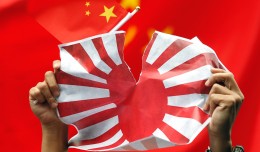
On September 22, The Economist asked “Could Asia really go to war?” The article concerned the potential ramifications of recent protests in China concerning the Japanese government’s recent purchase of the Diaoyu (or Sen...
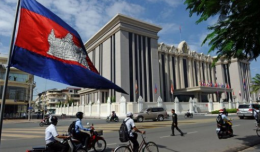
The annual ASEAN (Association of Southeast Asian Nations) Foreign Ministers meeting is in full swing this week in Phnom Penh, Cambodia, and thus far the talks have been highly revealing of the major trends and themes in the reg...
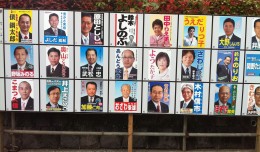
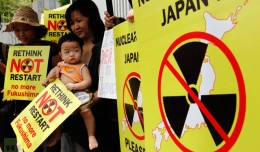
On June 23rd, 20,000 Japanese citizens staged a mass protest against Prime Minister Noda’s decision to restart two nuclear power plants. The on-going debate regarding the use of nuclear power has received a very negative rece...