Strolling along the pedestrian esplanade of Beirut’s Zaitunay Bay on a Sunday afternoon is an eye opening experience: extravagant yachts line the harbour, restaurants, bistros and cafes hum with activity, and the clientel...
Last month the British Foreign Office lengthened its list of Arab states unsuitable for travel with the addition of Lebanon. Now Jordan appears more than ever to be a fragment of peace wedged between some of the most volatile s...
The 7th July attack on the Egyptian North Sinai gas pipeline constitutes just one of a dozen such attacks since the removal of Mubarak. Worryingly though, this was the boldest and most carefully planned to date, providing an om...
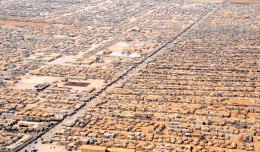
Where was the world when the first 100,000 Syrians were killed? Where was the efforts for intervention when the first 2 million civilians, men, women, children and elderly fled from a conflict that didn’t care for collateral ...
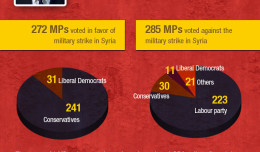
If you’ve paid any attention to the news at all over the last week you would have heard of the ongoing debate on military intervention in Syria. In fact, you would have heard nothing but. Should the U.S. intervene in Syri...
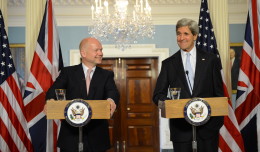
Yesterday, (September 8th 2013) UK Foreign Secretary William Hague appeared on the leading BBC political and current affairs program – The Andrew Marr Show. Not unsurprisingly, there was only one real topic up for discus...
Cluster bombs have proved to be a deadly weapon used by many countries around the world. They not only kill civilians in large numbers but also contaminate the land for decades after the explosion. Ninety percent of all recorde...
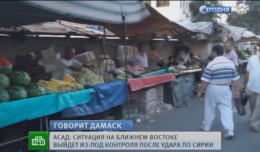
In Russia, support for Bashar al-Assad’s regime cuts across political lines. Deep suspicions of Western motives for military intervention, combined with a domestic history of Islamist rebel groups, lead even the staunches...
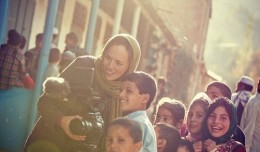
During the Taliban’s rule over Afghanistan from 1996 to 2001, photography was completely banned in the country. The recent press freedom that the country has seen since the removal of the regime is still minimal, but the ...