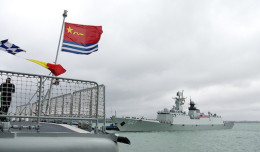
“China loves peace” (Li, 2014). This solemn claim by the Chinese Premier Li Keqiang has probably sparked scepticism, if not misbelief, in Washington, Tokyo or Canberra. The recent Chinese charm offensive reiterating the Mid...
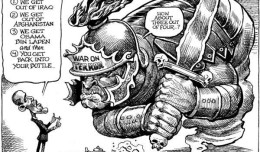
Fawaz Gerges, a prominent Middle Eastern scholar, notes that there exists a ‘terrorism narrative’ in the West. Amongst government officials and the wider public, the notion of imminent terrorist attack seems institutionali...
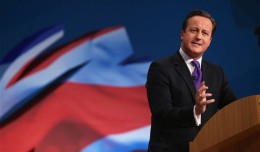
For the British press, mocking politicians is a serious business. Journalistic satire – mercilessly rubbishing the airs and graces of the House of Commons’ finest – is as English as morning toast, afternoon te...
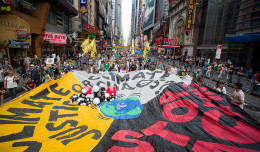
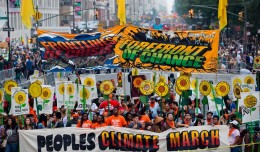
On September 23, 2014, as world leaders, corporations and other actors at the UN New York headquarters gave pledges on how they plan to address the challenge of climate change, climate-oriented blogs and social media platforms...
Arab Spring Over the three years, the world has witnessed the rapid deterioration of society in the Middle East and North African region. Revolutions, international interventions and military coups d’états have a sense of no...
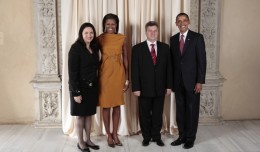
Macedonian President Gjorge Ivanov kept silent and out of the public eye during the several months of ethnically charged clashes in Macedonia. Then, in September 2014 he presented a speech before the UN Security Council, whic...
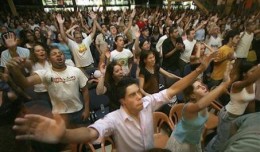
The world’s theocratic states might soon gain a new member as evangelical (Christian) fundamentalism threatens to devolve Brazil back to the dark ages.
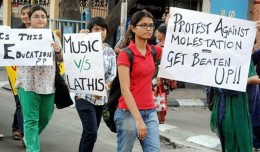
The state of West Bengal, India, which conjures up images of art, music, quietude, literary greats like Rabindranath Tagore, and the historic site of early Indian nationalism, is widely regarded as a peaceful place by many Indi...