The Co-founder of the Libyan Youth Movement spoke at an event organised by the International Political Forum on 27 February 2015. This article includes reflections of the discussion that was held on the day about LYM’s ro...
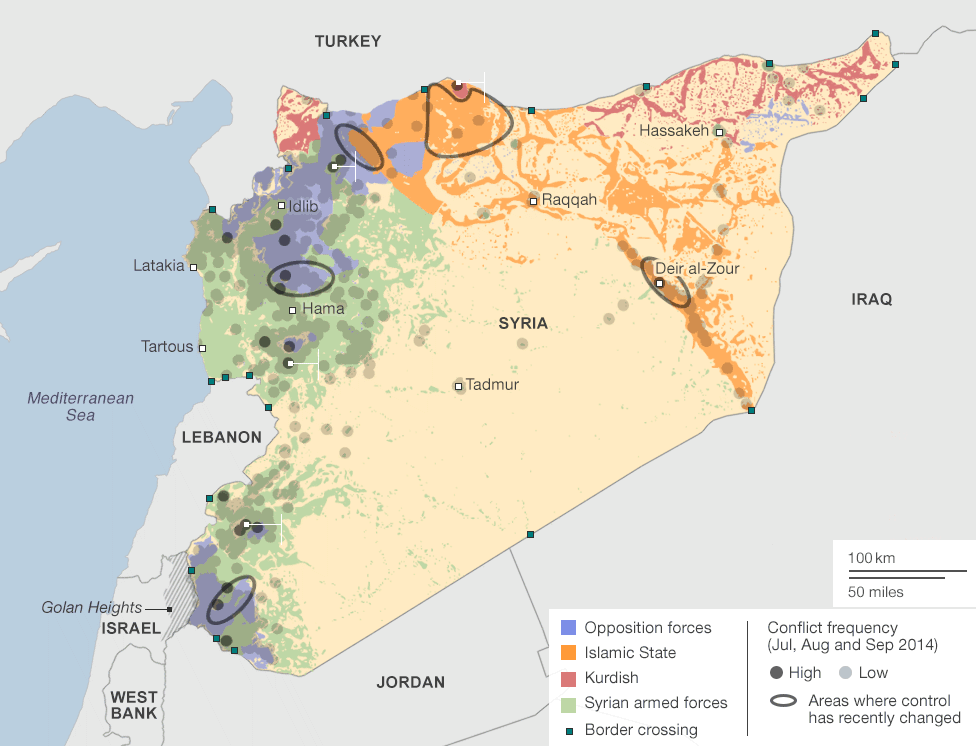
In an unfolding tragic tale of twists and turns, the Syrian conflict has transmuted from that of a show of solidarity for the Arab Spring in 2011 to that of a continuous conflagrative self-destruction perpetrated by several arm...
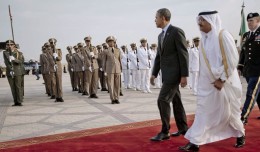
Saudi Arabian King Abdullah’s death ends a fourteen-and-a-half year reign that saw marginal policy changes, particularly of those which relate to human rights.
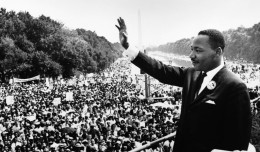
In the United States, racial tensions in 2014 threatened to boil over into widespread unrest and riots. This conflict was the consequence of perceived injustice and inequalities between predominantly white police forces and min...
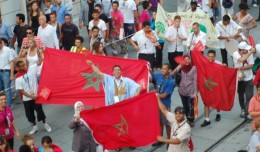
Civil society in Morocco took a step towards better policies for young people through the creation of the Moroccan Parallel Youth Government MPYG, which intended to mimic and evaluate Morocco government policies.
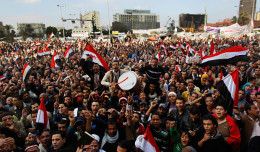
The past weeks may have erased in part the legacy of the hard-fought Egyptian revolution of 2011. The decision by the Egyptian judiciary to clear the former president Hosni Mubarak and members of his regime of the deaths of 846...
Media coverage of the MENA region is plagued by blanket statements and superficial analyses. International news outlets reserve even the right to name events. The so-called ‘Arab Spring’ is an example of a de facto ...
In a region where the Arab Spring took off partly due to the high rates of youth unemployment, job creation is arguably one of the main concerns for governments and the private sector alike.
Libya’s former leader Muammar Gaddafi was one of the earliest dictators to be ousted by civil uprisings in the context of the Arab Spring. Once the nation’s capital Tripoli fell to rebel forces on 20 August 2011, it was onl...