
In the United States, racial tensions in 2014 threatened to boil over into widespread unrest and riots. This conflict was the consequence of perceived injustice and inequalities between predominantly white police forces and minority groups. The events of this past year were ultimately catalyzed by successive highly publicized court cases failing to indict policemen who were charged in the deaths of two black males.
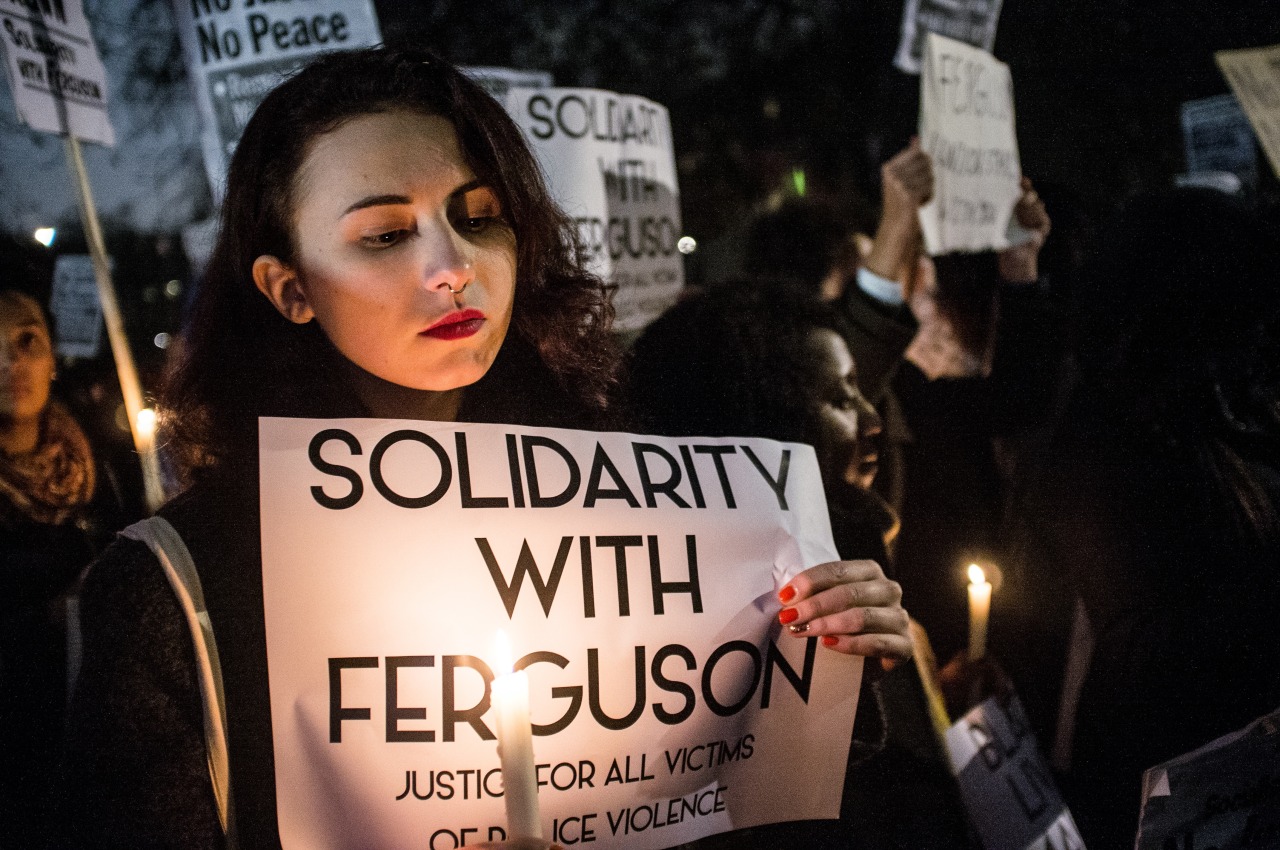
National outrage, at times, blurred the line between social protest – the black lives matter campaign – and anarchy, as opportunistic society members looked to hijack and degrade nonviolent protest with force, vandalism and looting.
Elsewhere in the world, protesters, government officials, police forces and opposition members, alike, utilized violence as a means to their respective goals and ambitions. Whether they look to proliferate or to suppress change, numerous examples could be seen in countries like Israel, Ukraine, Cambodia, Pakistan, India, Uganda and many others.
In the wake of this tumultuous year- resulting in a widening rift between the black community and police forces around the US, increased tensions between religious groups throughout the Middle East and the divide between developed economies and developing economies, it is important to remember the lessons learned from Dr. Martin Luther King Jr, epitomized in peaceful and non-violent protest.
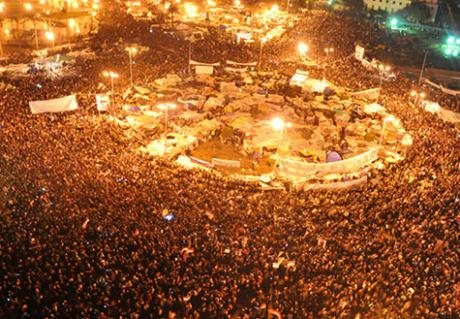
On January 19th, communities around the globe will be coming together to celebrate these lessons and the life of Dr. King. Since his death, he has inspired movements around the world, from Tiananmen Square to anti-apartheid movements in South Africa. City streets, schools, libraries and government structures in countries like Israel, Niger, India, Belgium, Brazil and numerous examples in the United States pay homage to Dr King. The Arab Spring of 2011 tried to recreate and redirect the power of sit-ins and non-violent demonstrations in their struggle for economic liberalization and unfettered access to democratic elections, with varying levels of success.
More recently, the killings of 17 French citizens in Paris sparked a mass march through the city on Sunday, January 11th 2015. For a country known for popular protest and social change via grassroots movements, this marked the largest march in French history. The coming together of French citizens, human rights activist and global leaders- to participate in this non-violent event in the opposition of extremism and evil- exemplifies the teachings of Dr. King.
Unity and solidarity shown in events like these offer an alternative to violent uprisings and revolutions. Though frustrations may be intensified and exacerbated by slow progress or lack thereof, lessons learned from Dr Martin Luther King Jr of steadfastness, peaceful demonstrations and the importance of global community and acceptance should form the foundation of any cultural movement and society as a whole.
About the Author





