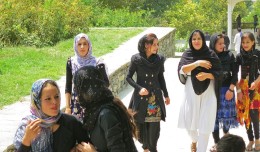
A new law in Afghanistan might allow the perpetrators of domestic violence, honour killings and forced marriages to commit these crimes without any consequences – simply because they are related to the victim. The controv...
As young people, it’s easy for us to feel as though our voices aren’t being heard and as though our opinion doesn’t matter when it comes to politics. It rarely seems as though politicians care about what the y...
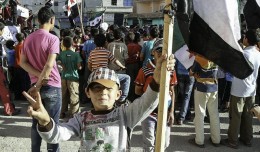
Where was the world when the first 100,000 Syrians were killed? Where was the efforts for intervention when the first 2 million civilians, men, women, children and elderly fled from a conflict that didn’t care for collateral ...
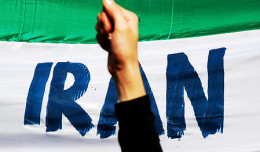
Since the 1979 Islamic Revolution, few countries have challenged Iran’s ‘international villain’ status. The United States is the loudest champion of this animosity and mutually demonizing rhetoric. The word ‘...
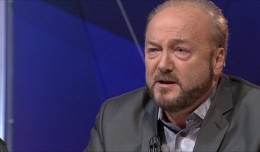
During a February edition of the popular British TV programme ‘Question Time’ which sees members of the public pose questions to politicians, something quite remarkable took place. A Jewish contingent in the audience deliv...
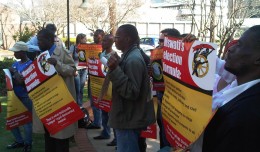
The ultimate yardstick for democracy and multi-party politics in Swaziland, once ushered in, will not be the ousting of an undemocratic government. Rather, it will be the strides taken to liberate the people from grinding pover...
The March 2013 general elections in Kenya left me with one burning question. Where are the women? In response to my question you might point out the 47 women representatives in each county, a result of the special post created...
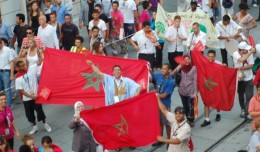
Civil society in Morocco took a step towards better policies for young people through the creation of the Moroccan Parallel Youth Government MPYG, which intended to mimic and evaluate Morocco government policies.
“A great victory for the forces of oppression”, that’s how Trevor Kavanagh the associate editor of the Sun Newspaper described the Royal Charter drafted by UK politicians in the wake of the Leveson enquiry. “...