
On the water-dappled cobblestone path, which I stand upon and amidst the busy Berlin traffic, runs a narrow pebble strip. When I look to either side of this strip, life seems almost identical but our tour guide tells us otherwise. This strip marks an era, a symbol, a divide – it marks the Berlin Wall.
Erected by the soviets in 1961, the construction of the wall to permanently divide Berlin into two sectors seemed like a sophomoric idea. As juvenile as it may have seemed, it proved effective for the 28 years that it stood. Life in East Berlin was far different from life in West Berlin with minimal communication between the two sides. Our own guide recounted stories of her aunts separated by the wall trying to communicate with each other in coded language, fearing the heavy breath of a third unwanted and menacing person on the phone call with them. She cleverly pointed us to the effects of the Berlin wall still visible today in the symbolic soviet pre-fab architecture in East Berlin and the more prosperous buildings in erstwhile West Berlin.
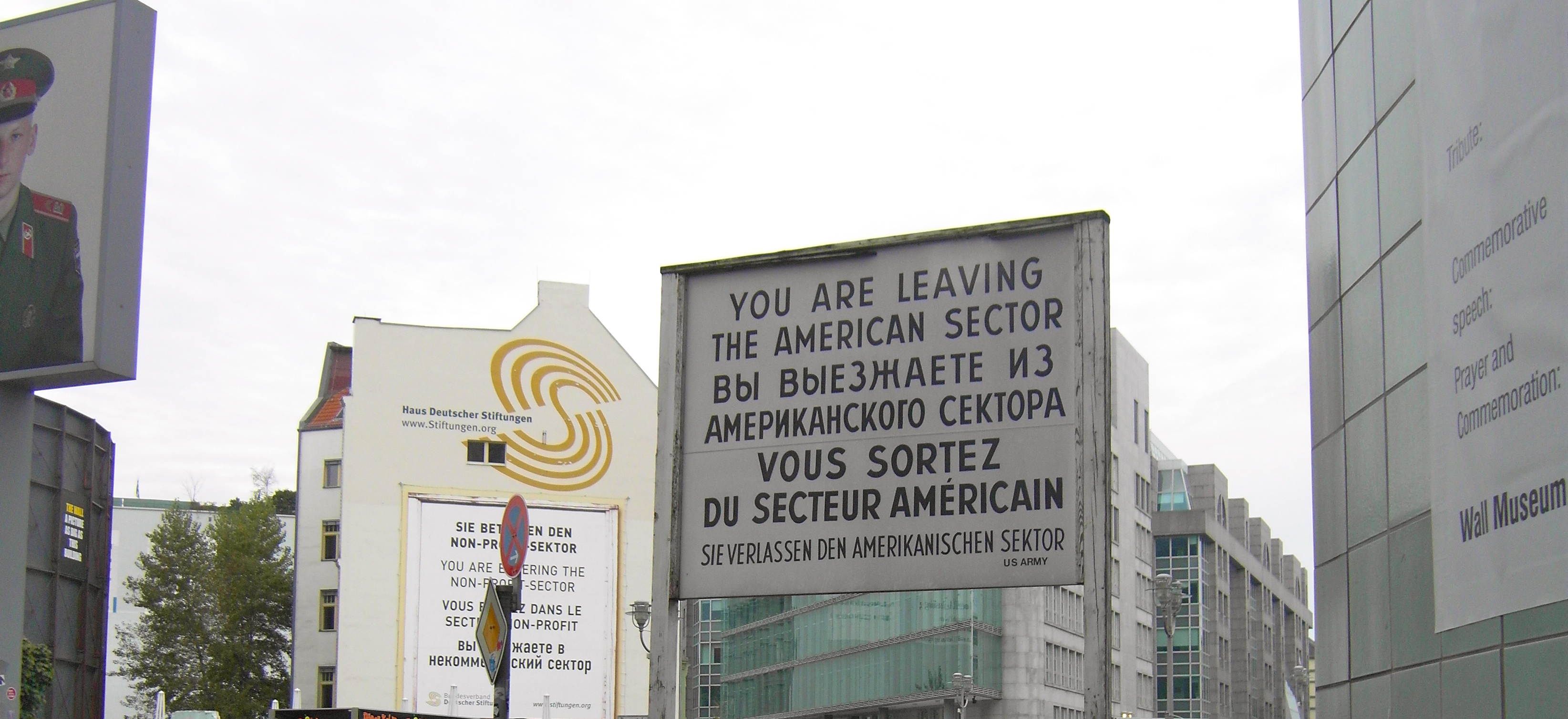
Image credit: Abhisvara Sinha
Historians often say that ‘hindsight is always 20/20’ but it’s ironic how we humans repeat our mistakes time after time. Although the creation of the wall in 1961 seems like a long time ago to a 17 year old like me, I find that countless figurative and physical walls have been built or maintained around the world since then for the exact same purposes.
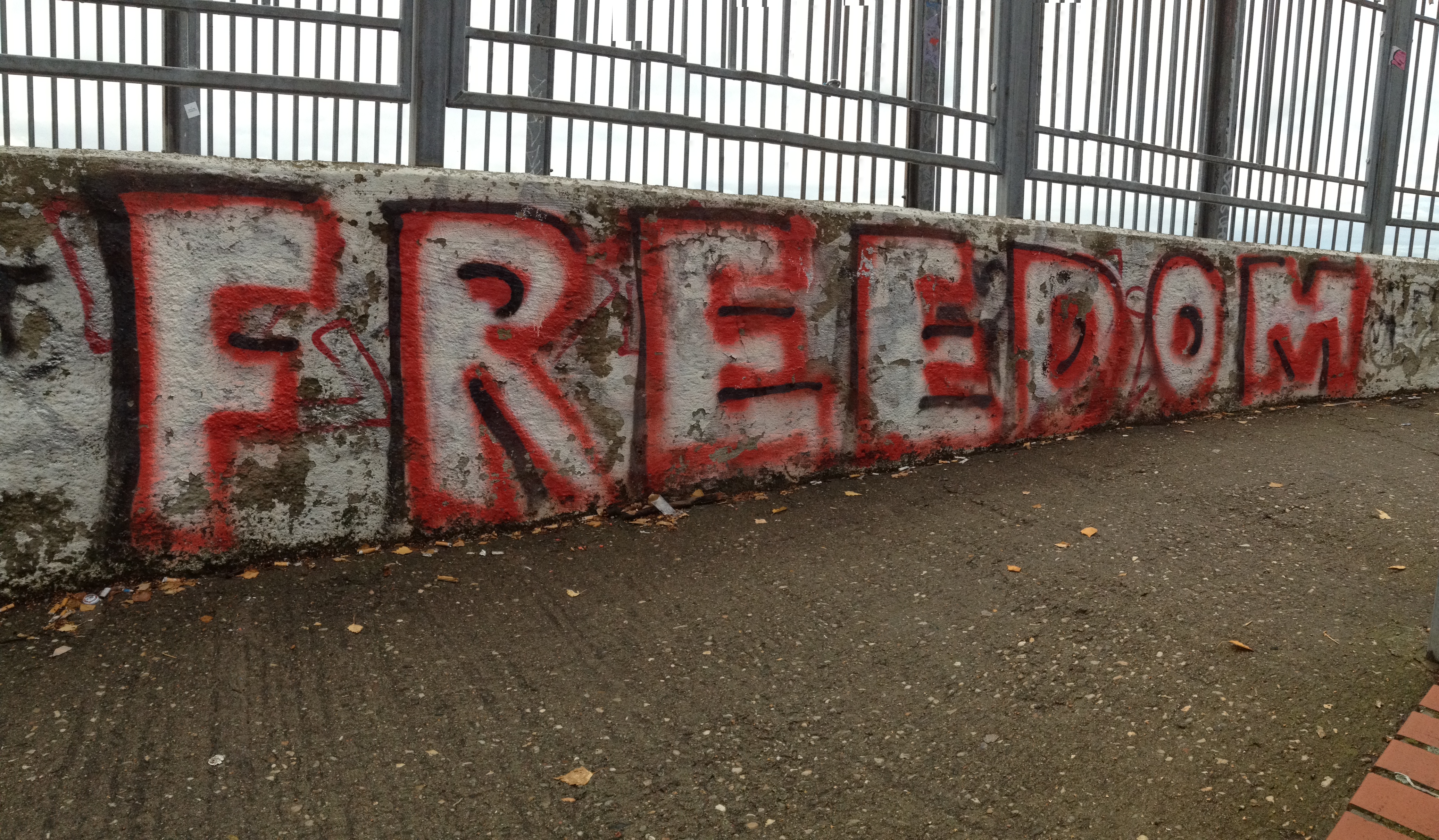
Image credit: Abhisvara Sinha
In fact, our guide reiterated the same, juxtaposing the Berlin Wall to the ever-growing divide between North and South Korea. I’ve myself watched my South Korean friends listen to K-Pop and discuss the growing prosperity in their country but I have yet to meet a single North Korean as they reamin hidden behind an unfaltering veil hiding the harsh realities of life in the country. My South Korean school friends define the divide between the two Koreas as one marked by nations that are impoverished & authoritarian on one end and democratic & prosperous on the other, their home country being the latter. It is a divide as clear as any without a physical concrete wall ever having been built.
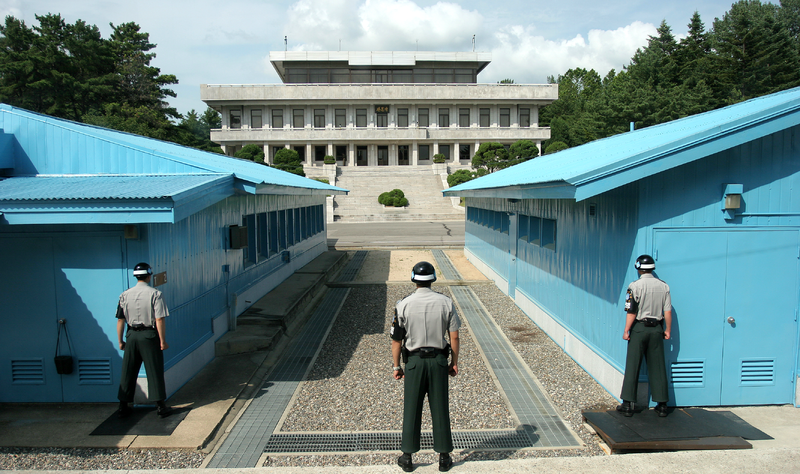
Three ROK soldiers watching the border at Panmunjeom in the DMZ between North and South Korea. Image credit: Globaljuggler
Given that I live outside of India I was always called a Third Culture Kid (TCK). A Bihari (from eastern India) by origin, born in Bombay (western India) with a life spent largely in Singapore, I could never deny my status as ‘confused.’ If the diversity within my roots wasn’t enough, attending a school where my closest friends over time have varied from Indian to Korean to British to Finnish, my views on the world gradually became a conglomerate of sorts. When people ask me, ‘where’s home?’ I find it difficult to pinpoint. I like to say that I feel I was born on a plane that never landed, so my home is anywhere and everywhere as long as the right people surround me.
Due to this serendipitous consequence, I’m also able to take a more detached view on a lot of the conflicts between India and its neighbours like Pakistan. People make a significant distinction between our two countries despite knowing that we were one nation less than 70 years ago. Even though the border between our countries may not be a concrete wall, it is branded into many minds as something permanent and disparate.
Several things about this distinction amuse me. In foreign lands, I often hear Pakistanis and Indians saying that we are all ‘brothers’. At school, I can relate far more with a Pakistani friend than with a Swiss friend on particular cultural issues. Watching the daily elaborate and flamboyant change of guard ceremony at the Wagah Border, it seems akin to two children ridiculously trying to outwit and outplay each other at their favourite game.
The Arab-Israeli conflict presents another example where walls have been justified as a method of ‘protectionism.’ The Israeli separation border constructed to block terrorist attacks from the West Bank has created a permanent symbol of tension in the area which, I personally believe, sends a very clear message – it says there’s us and then there’s you, we’re different. In the end seeing as we all are intrinsically the same how different can we actually be if we were to collapse the walls in our mind?
When my Israeli friends discuss joining the 2-year compulsory conscription program, I wonder if they really and truly know what they’re fighting for. When the only distinction you have for calling someone different is a border, isn’t it tough to justify who is right and who is wrong? A wall, it seems, can imbue a mentality into individuals much quicker than what it seems at first glance.
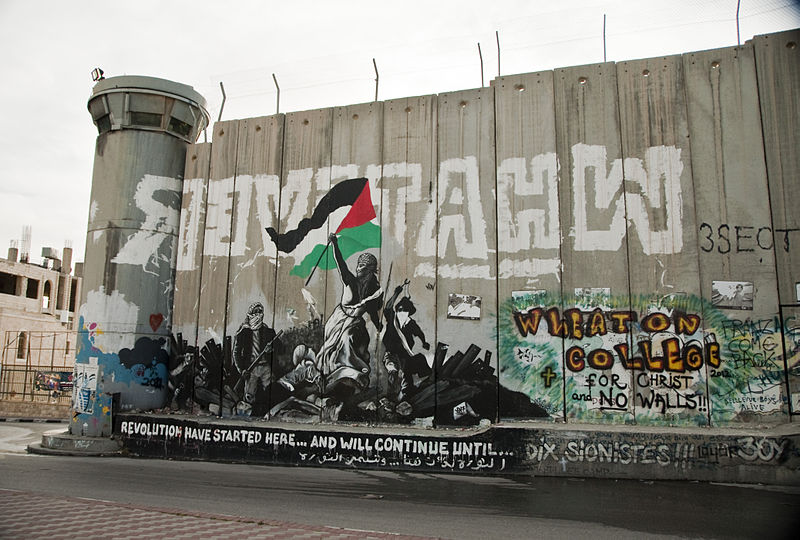
The separation barrier which runs through Bethlehem, cutting Palestinian communities off from each other. Image credit: Garry Walsh
When I was younger, I would become frustrated when people labeled me as a ‘Third Culture Kid’. As I’m seeing more of the world around me, I feel I would much rather prefer being ‘confused’ if it means that I can empathise with people rather than a series of walls. Given that we humans construct millions of walls in our minds, I feel we really do not require geography and governments to add any more to the ever-expanding list of barriers.
About the Author






There is hope for this world when youngsters like you think about breaking rather than creating the walls!
Hi Abhisvara, ”
A well written though provoking piece!
Though I wished you had pursued the powerful statement you make “….A wall, it seems, can imbue a mentality into individuals much quicker than what it seems at first glance.”
A great start to a possibly prolific journalistic career!
I really like the comment about being ‘born in a plane’ and being surrounded by the right kind of people. The more I move around the world, the more I realize this to be true..very insightful of you, bubbles..