
Image courtesy of Kalunde’s Scribbles © 2014
Their teacher enthusiastically showing them why the many TVs in different sizes were on the shelves and why they had price tags. And that was not all, she was describing to these young children why certain aisles were labelled the way they were. SOAP. BODY LOTION. GLASS.Now, this stood out for me because trips during my primary school days were always out of town, probably to a beach or an agricultural institution or to the zoo or the airport. From the look of things, and by the teacher’s thorough explanation of what happened here, it was clear this was an important trip.
The supermarket is in Mathare North. Mathare is an area known for slums (second to Kibera), violence and more slums. In fact a quick search on Google just shows you the extent of poverty here is on another level. Indeed it is true.
The area has informal settlement and every short distance you are bound to find a burst sewer that flows into water pipes and below food vendors. You will see clinics and health centres competing for space with bars and entertainment joints. You will see businesses lined up calling on potential customers.
There are car wash areas, colourful matatus (Public Service Vehicles) and happy children playing on road side. There are houses so close to each other that if one tenant has a cold, the next door neighbour would probably pick it up. There are electricity wires in meshes swaying in the air through the Mathare skies.
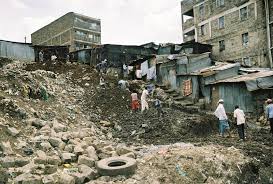
Image courtesy of Kalunde’s Scribbles © 2014
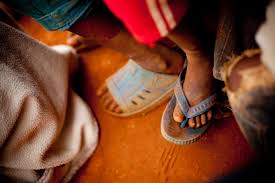
I live in Mathare and each day as I get a matatu to town, I will always walk past school children who, despite their torn socks and faded uniforms, will carry their paper bags full of books heading to class. I will see little boys and girls bracing the morning chill to be in school. Where these young minds would want to attend class tomorrow pegged on a possibility of stepping into a supermarket that they either passed by every morning or saw its branded paper bags in the heaps of waste around them.
Seeing the inquisitive children asking why the soaps were put away from the bread and maize flour, made me realise that while this visit to the supermarket was ordinary to me, it was probably a first to these little leaders.
Seeing the yearn in their hands to pick at the juices and pop corns on the shelves hit me that this trip was the opening of new chapters into these children’s lives. That beyond the mire of life in a slum town as they know it, there was so much more available. So much variety that was presented to these kids but circumstances had hindered them.
I saw this and I was challenged to take a fresher look at the things I have and assume they exist for everyone else. Later, the children would file at the teller and each was given a lollipop on their way out. Some of them began to unwrap them while I noticed one who looked at his sweet for a while and simply put it into his shirt pocket, stretched out his palm and joined his hand to complete a chains of little hands and glossy excited eyes. One of their lessons of the day was over, with their teacher at the lead, they streamed out.
About the Author





