
Latin America

October 14, 2014

Colombia’s “citizen portfolio” program could infringe privacy rights (and more)

Under the “Live Digital” initiative, Colombian Minister of Information and Communication Technologies Diego Molano is pushing a policy program under which the government will bestow upon each citizen a “digital portfolio,” where all of one’s personal data held by the state, ranging from state identification and passport numbers to tax information and health data, would be stored together and come with a unique government-issued email address.

Although conceived as a pathway to greater efficiency in communication between government agencies and reduction of paper use, the policy has raised concern that it may leave citizens vulnerable to greater government surveillance or to malicious hacking.

One concerned citizen, a Colombian industrial engineer named Pedro Rivera, filed an information request with the Minister of Information and Communication Technologies in an effort to obtain information on various aspects of the project. Rivera filed the request with the support of the digital rights collective “RedPaTodos”, which advocates for absolute transparency on matters of public policymaking. Rivera argues that the initiative should be repealed or subject to public review and approval before being implemented.
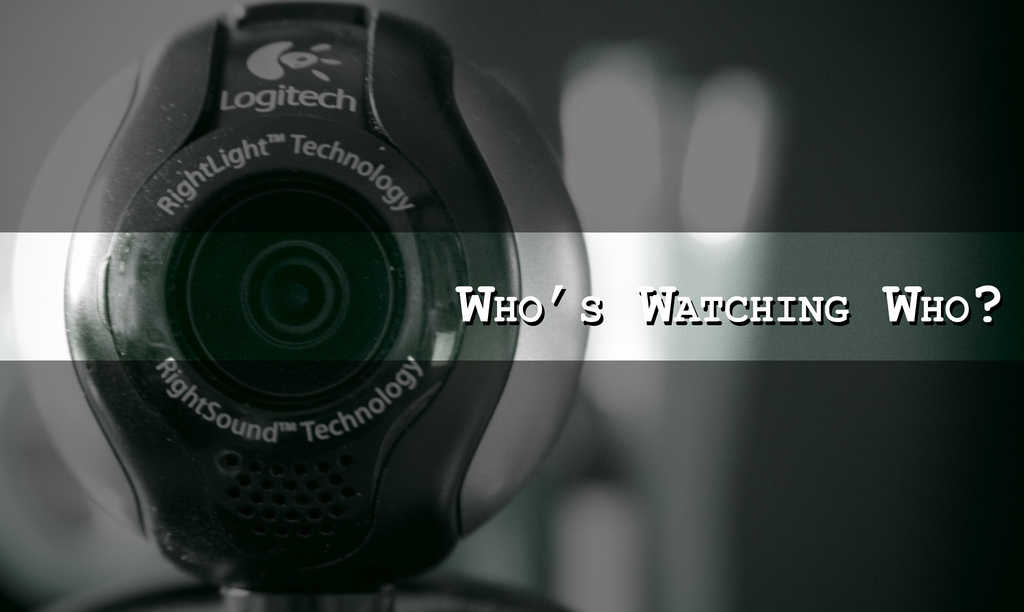
Image Credit: Kevin LaBianco via Flickr (CC BY 2.0).

Image Credit: Kevin LaBianco via Flickr (CC BY 2.0).

On Pastebin, Rivera acknowledges the potential conveniences offered by the system but rejects certain aspects of the system, noting that they could lead to different kinds of abuse and infringe human rights. This paragraph references the revelations of Edward Snowden, as they relate to Google:

This basically means that your entire existence before the state is reduced to a “Google” account. As we know from the revelations made by Edward Snowden, “Google” has full power to read information, analyze, copy, sell it or close accounts without further ado. If we replace “Google” with a private company [ostensibly controlled by] the Colombian government, what we can expect?

RedPaTodos published “Concerns and Proposals on the Citizen Portfolio initiative,” affirming its support for the petition and broader initiative. They conclude:

It is clear that we have too many concerns and little clarity; some of these questions come from the little concrete information about the proposed policy and more about the existence of contracts that appear to be related. Obviously, if there are already contracts, the margin of incidence is much narrower than if it is open for discussion and possible improvement. We have made a collection of information that we believe is related to the project, but we know it’s incomplete. In the absence of certainty and truthful information about this project, we have decided to invoke our right to petition and thus to petition the Ministry of Communication Technologies requesting more information about the program. [We propose to work with them] to set plan to carry out this proposal and to invoke our rights to develop a space for dialogue that will take place initially among key stakeholders, but that will ultimately allow society can be involved as much as possible and also another groups and sectors.

Human rights lawyer and Internet advocate Carolina Botero, writing for El Espectador, expressed concern about the silence that the ICT Ministry has maintained surrounding the issue. She also highlighted comments published on the website of Fundacion Karisma, a digital rights organization under her leadership:

[…] The Citizen Portfolio Project will be implemented through a public-private partnership. This methodology is not only imprecise, but also it reveals one of the biggest concerns of civil society regarding the right to privacy. As the plan itself said few about the project, we were waiting for the response to comments MinTic (we are still waiting) and, above all, for the presentation of the final document, and that this may be carried out by reviewing the plan, based on public comment to analyze it integrally.

So far, there have been no responses from the national government. For citizens, the wait continues.

(This article was originally published on Global Voices).


About the Author

Lully Posada


0 Comments


Be the first to comment!


Leave a Reply

Your email address will not be published. Required fields are marked *



