
One in four people will suffer from a mental health problem at some point in their life. For people living in crisis or war situations, this figure gets much higher. It certainly seems to be higher for celebrities compared to the rest of us – or do we just notice it more because they’re celebrities?
How we viewed Robin Williams’ tragic suicide contrasts a lot with how we’re treating Amanda Bynes; “how could someone who seemed so happy want to take their own life?” , we pondered. Perhaps it’s just the case that we admire and sympathise with someone who “suffers in silence” and eventually, like Williams, dies – but we appear to treat those who suffer in plain sight, and those who don’t fit the mould of “quiet, helpless victim”, with ridicule. This just proves that we really don’t know much about mental illness and its multi-dimensional characteristics.
Because of her recent behaviour, the press haven’t been very sympathetic towards Bynes. Global grind headlined with “Hallelujah! Amanda Bynes mentally fit to stand trial for DUI case” (I can’t even comprehend how the newsreader can sound so happy when commenting on someone’s personal issues like that), and Buzzfeed stated that, “While someone this troubled deserves our sympathy, her less-than-subtle bigotry is making Bynes harder and harder to defend.”
This obviously didn’t take into account that if she has been diagnosed with a mental illness, she wouldn’t necessarily have been in complete control of her actions. Then again, we don’t really take schizophrenia very seriously anyway – the Jim Carrey movie Me, Myself and Irene topped the cinema charts in the US during its first weekend of release, even though there was a huge lobby from mental health campaigners against the movie’s crude and inaccurate portrayals of schizophrenia (as someone with two schizophrenic family members, there’s a big difference between split personality disorder and schizophrenia), and its “gentle-to-mental” tagline.
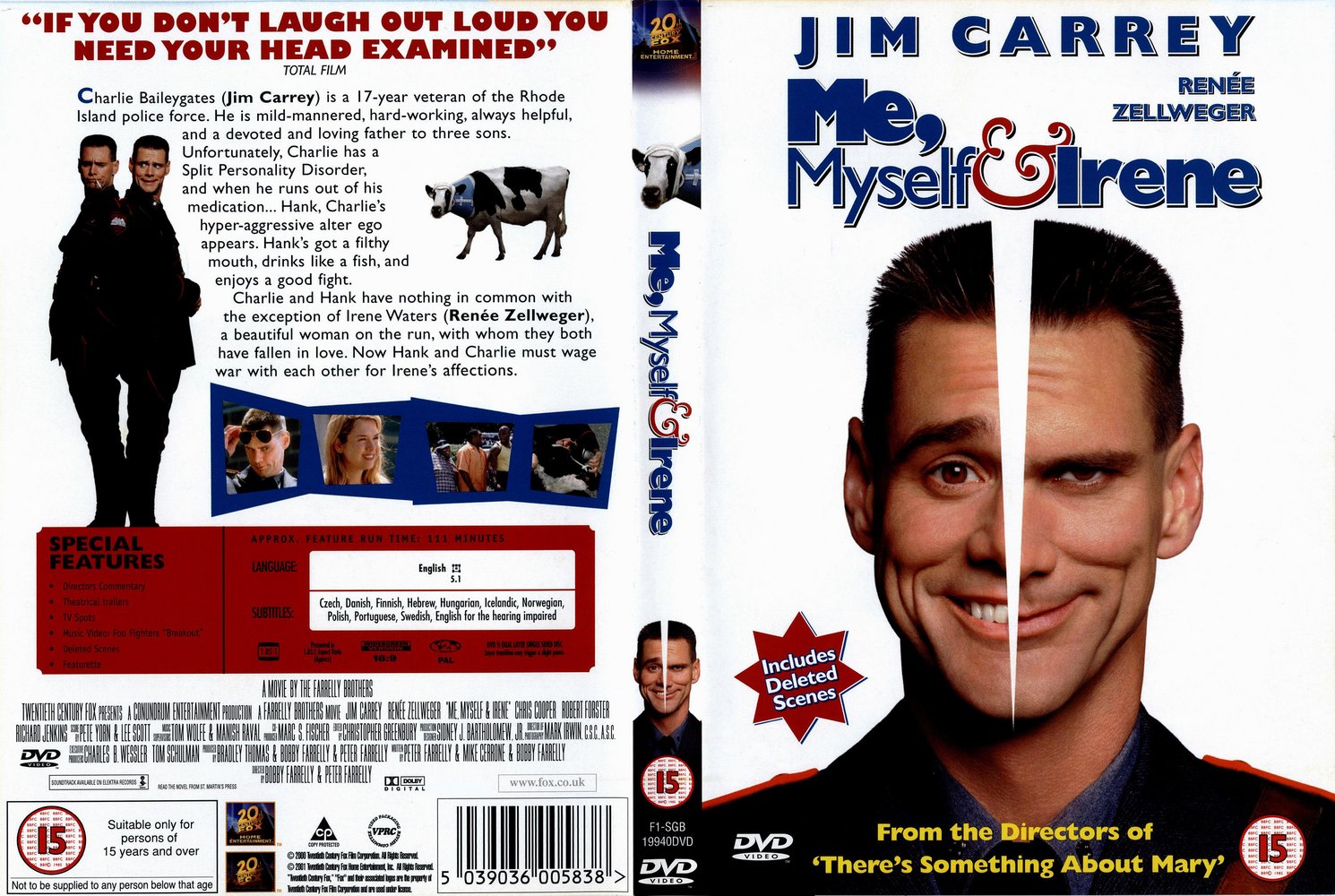
‘Me, Myself and Irene’. Image Source: Movies Collection http://empayarkeramat.blogspot.co.uk/2010/07/me-myself-irene-2000.html
Alistair Campbell, a British political figure who worked alongside Tony Blair, has been a public supporter of mental health awareness campaigns and trying to end the stigma against mental illness (on a side note, some people on the “left”, including me, may disagree with his political ideology, particularly surrounding the Iraq war, but I don’t see this reason to denigrate his mental health campaigning). He claims that 40% of employers, when asked, said that they would not employ a person if they knew they had mental health problems. Not, “would you choose not to employ them if their condition could affect their work” – they categorically said they would choose not to employ someone with a mental health condition. Campbell’s certainly right that we need to stop pretending that mental health sufferers should stay in the closet for fear of being unemployed and socially ostracised.
But there’s a difference between “promoting awareness” and being too invasive and speculative concerning someone’s private life. There’s a difference between acknowledging mental illness as a real issue that affects people’s lives, and commenting ignorantly on an individual’s mental health problems and hounding them, and potential making the situation worse. TMZ recently went with the headline, “Amanda Bynes: Mom takes her off her meds despite evidence of mental illness”. They then went on to argue that they knew all this because, “We made the rounds again Wednesday … and everyone we spoke with stands firm – Amanda does suffer from Schizophrenia and Bipolarity. Beyond our sources, there’s documented proof of mental illness.”
I’d argue that it’s really not TMZ’s prerogative to comment, and I actually think it was a pretty disgraceful article – but the ethical issues of tabloid journalism are another kettle of fish altogether.
We need to know the difference between acknowledging and accepting the issues that mental health sufferers face, whether they are celebrities or not, and obsessing over issues we have insufficient knowledge about, or subjects that we may have no moral right to write about in such depth. Maybe we, as public spectators, need to stop commenting on individual sufferers of mental illness and their lives, and start focusing more on what we can do to promote mental health awareness as a whole. As Alistair Campbell said, sometimes knowing how to deal with public perceptions of and reactions to mental illness can be as bad, or worse, than dealing with the mental illness itself.
About the Author





