
More than three years have passed since Japan’s now-infamous nuclear power plant Fukushima Dai-ichi experienced a meltdown following an earthquake and subsequent tsunami in March 2011.
Despite receiving some of the most ongoing media coverage since the Chernobyl disaster, it has since been widely acknowledged that the nuclear waste was distributed evenly enough across the globe to avoid a serious health risk. Recent reports, however, suggest the opposite: as Japan prepares to resume operations at its first nuclear power plant since the Fukushima crisis, new information is surfacing across the globe to suggest that the health situation is graver than initial reports suggested.
Japan’s Nuclear Policy
Following reforms made to Japan’s nuclear policy in April, the country is preparing to resume operations at its first nuclear power plant since 2011’s Fukushima disaster. Local governor Yuichiro Ito is reported to have given permission to restart two reactors in Sendai despite public opposition.
Japan has swayed between pro-nuclear and anti-nuclear political stances in recent years. Initially, the Fukushima disaster prompted a slow and steady decommissioning of nuclear power plants across the country, but things are beginning to change.
The move to restart nuclear power plants across Japan comes after Japanese Prime Minister Shinzo Abe announced his fears that a total rejection of nuclear power in the country would severely damage its economy. Shinzo Abe’s pro-nuclear policy has always been controversial with the Japanese public and the move to recommission the Sendai reactors has resulted in criticism from 200 members of the local public, protesting on the grounds of several active volcanoes in the immediate area.
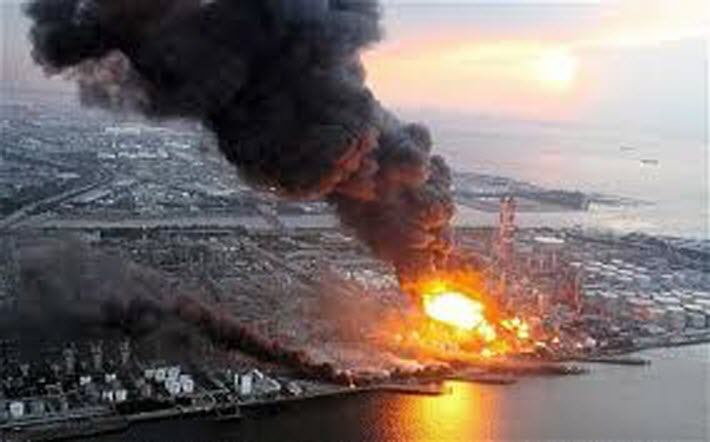
Japan to open first nuclear power plant since the Fukushima disaster. Image Credit: Indigenousaction.org
Despite such fierce opposition, nuclear power may indeed, as Abe has suggested, be vital for Japan’s economy. Only last week, Shinzo Abe chose to dissolve the government’s Lower House following a barrage of negative media reports concerning a serious dip in Japan’s economy.
Since reports of figures suggesting that Japan’s economic slump indicates a national recession, Shinzo Abe has called for a snap election due December 18th. While nuclear energy will be central to his plans to recover the economy, widespread concerns about the general health and wellbeing of the public may discourage voters rather than prompt a new hope for the national economy.
Does Nuclear Energy Pose A Risk?
The eternal nuclear debate seems to weigh up the economic benefit against the health risks. But does nuclear energy pose a real risk? Following the immediate evacuation and aftermath of the local area surrounding Fukushima, many reports and studies seemed to suggest that there was no real risk of radiation infection.
However, more recent reports suggest that the amounts of nuclear waste that were distributed across the globe did in fact pose a risk. ENENews quotes a CDC official as stating that radioactive material from Fukushima was sufficient enough to result in a ‘public health emergency in the US’, further suggesting that the government ‘wanted to quarantine people contaminated with radiation, but had no authority’. In a separate report they add that the ‘Fukushima fallout on vegetation in South Florida exceeded gov’t notification limit by 1000% – nearly triple the highest level reported anywhere on West Coast’.
CBS San Francisco also reports this week that US Navy sailors are suing the Tokyo Electric Power Company this week for exposure to radiation resulting in ‘rare cancers, blindness, birth defects and now, two deaths’ after being deployed to Japan following the Fukushima disaster. The team’s attorney Charles Bonner said ‘these young soldiers have come down with leukaemia, ulcers, testicular cancers, brain cancers, very rare cancers’, implying that even controlled-environment nuclear clean-ups pose a fatal risk.
For now, nuclear energy remains the most economically viable source of power for Japan and the Japanese government, but at what cost?
Sources
- the Guardian
- the Japan Times
- Reuters
- The Economist
- ENE News
- CBS Local: San Fransisco
About the Author





