
The dangers of Hormone Replacement Therapy have flooded news headlines in recent weeks with new statistics suggesting that HRT increases the risk of ovarian cancer in women. Studies showed one extra case of ovarian cancer per 1,000 in women currently participating in the therapy for longer than five years and that the chances of developing this rare and often aggressive form of cancer increase with the duration of usage. One million women in the UK currently take Hormone Replacement Therapy and the incidence of ovarian cancer currently stands at 7,000 per year.
Hormone Replacement Therapy is designed to relieve the symptoms of the menopause in women. When women experience the menopause their hormone levels drop. The aim of Hormone Replacement Therapy is to restore the levels of oestrogen and progesterone in order to avoid complicated menopausal side effects such as hot flushes, lack of libido, osteoporosis, and stress incontinence.
However, HRT is not the only option for menopausal women and naturopathic methods of treating hormone imbalances are becoming more and more commonplace.
Regular Exercise
Exercising can help to relieve mood swings, hot flushes, and low bone density in women suffering from the menopause. Walking or strengthening exercises performed four to five times per week will allow the release of endorphins, the body’s natural mood-boosting hormones, which will help to regulate the emotional side effects of hormonal imbalance. It can also contribute to bone strengthening which will reduce the risk of developing bone density conditions such as osteoporosis.
Increase Phytoestrogen and Omega Intake
Soya food products are renowned for their oestrogen properties, and foods such as soya milk, tofu, and edamame beans can raise the body’s levels of phytoestrogens, reducing hot flushes and improving the condition of the skin. It is also important to eat foods rich in omegas, such as fish and eggs, to supply healthy fatty acids to the skin and reduce the more rapid signs of ageing which can result from the menopause.
Invest In Cotton Clothes
Hot flushes are one of the most common side effects of the menopause and this can be treated externally. Staying cool at night and wearing loose cotton clothing can reduce the risk of hot flushes and night sweats by allowing the skin to breathe. This, in turn, can have a huge impact on mood, reducing levels of anxiety and slowing down the violent cycle of sweat and stress.
Practise Relaxation
Activities such as yoga, tai chi, and meditation can be particularly useful in treating a range of psychological and physical side effects of the menopause. Just ten minutes per day of relaxation can help to reduce stress levels, hot flushes, and also increase the libido. Other naturopathic remedies might include aromatherapy, massage, or reflexology.
Take Herbal Supplements
There are a number of hormone-regulating herbal supplements currently available on the market that can help alleviate menopausal symptoms. Maca root, which can be purchased in powder form, can be added to smoothies, cereals, and yoghurts. It originates from Peru and is said to enhance hormone production and the libido.
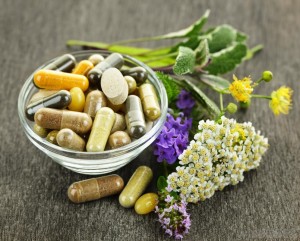
Image Source: http://bit.ly/1FerJjD
Evening primrose oil can also be purchased over the counter and can be taken in capsule form to relieve breast pain and mood swings. Agnus Castus is currently used widely in Germany to treat impaired ovarian function, PMS, and period problems, but can be used to great effect in the peri-menopausal phase to regulate the body’s hormone production.
Reduce Oxidative Stress Contributors
There are various food substances that result in oxidative stress, resulting in malfunctioning cell health and potentially leading to longterm conditions such as heart disease and cancer. In women suffering from the menopause many of the food products that result in oxidative stress also contribute to the restriction of blood vessels, causing migraines. In order to reduce the risk of some of these more dangerous side effects, cutting out substances such as alcohol, caffeine, and high-fat animal products can benefit both the body and the mind greatly during the hormonal transition.
Increase Calcium
Calcium, as well as exercise, is crucial for bone density. Studies suggest, however, that a high animal protein intake will result in the secretion of calcium. Better sources of calcium that are more easily absorbed by the body are tofu, soya milk, and plant sources such as watercress. In order to absorb calcium, the body also requires vitamin D. Ten minutes per day in the sun with direct contact with the skin will provide the body with enough vitamin D, but for those unfortunate enough to not experience regular good weather, it may be necessary to take a supplement. Calcium and vitamin D will reduce the risk of developing osteoporosis.
About the Author





