
“Do you ever get the feeling that the only reason we have elections is to find out if the polls were right?” Robert Orben’s comedic take on pre-election build-up takes on new meaning for Britain’s 2015 General Election. According to the polls, this is the most exciting election in British modern democratic history.
The most recent data has the right wing Conservative Party with the narrowest of leads over the left wing Labour opposition – both somewhere around the low 30 percents. There is no anomaly there: winning parties usually gain in the high 30s in close-run elections, and both Labour and the Tories expect a small bump in their polling once the election gets closer and people revert to type.
What is unusual about 2015, though, is that nobody is sure whether people will revert to type. The scrap that is going on behind the two major parties is an almighty one, and it is affecting the chances of voting in a majority government, once again. Having one coalition was strange enough for a country used to the majority-building First-past-the-post electoral system; having two elections in a row with no clear winner is unthinkable. UKIP, the Greens, the SNP, Plaid – the number of political parties that have seen membership numbers and polling percentages soar in the past year is quite extraordinary. Safe seats have turned into anything but and marginals are now free-for-alls.
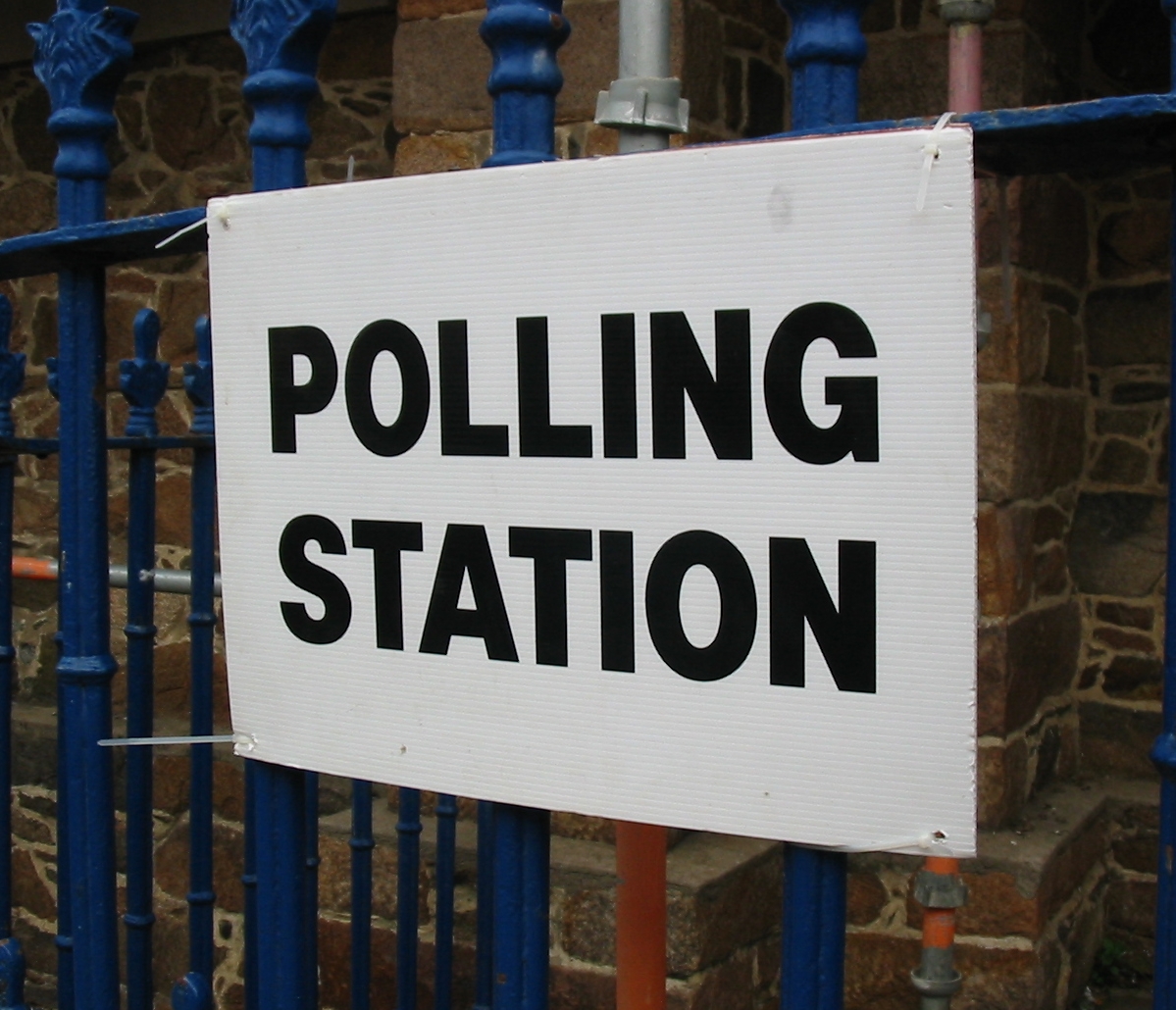
Image Credit: Wikimedia commons
For the second time this year, the people of Scotland have a massive decision on their hands. Amongst all of the chatter of ruling coalition deals in or out, one of the most obvious conclusions has been hardly written about: without the Independence referendum, Labour would be winning this election at a canter. The battle for a majority would perhaps remain hard-fought, but one would imagine the result would be similar to the 2010 election, minus some Liberal Democrats, and with the two main parties swapping sides in the Commons. But now the polls suggest that the SNP could take around 50 of the 59 seats in Scotland. To put this in perspective, the SNP won six seats in the last election, five fewer than Nick Clegg’s Liberal Democrats, and 35 fewer than Gordon Brown’s Labour Party. A swing of such proportions would be devastating to Labour’s chance of election as the leading party.
For most of those who are predicted to switch to the Nationalists from Labour, this election is a direct battle between heart and head. Since Gordon Brown stepped down as leader, Labour has seen a slow but steady decline in support in a Scotland that seems to be intent on staying on the left as issues like Europe and immigration push English voters to the right. People have become disaffected not only with Labour’s part in the perceived ‘negative’ ‘No’ campaign (you might say it’s difficult to be positive in a campaign that tells voters not to do something) but also in their ‘soft’ responses to those issues raised by parties like UKIP, and their plans to follow similar, though not the same, economic cuts as the Tory/Lib Dem coalition has in this parliament. ‘Red Tories’ is how the SNP has cleverly branded the Scottish Labour party, implying that a vote for the traditionally working-class party is the same as a vote for the guys Scotland has tried to oust since the Margaret Thatcher era.
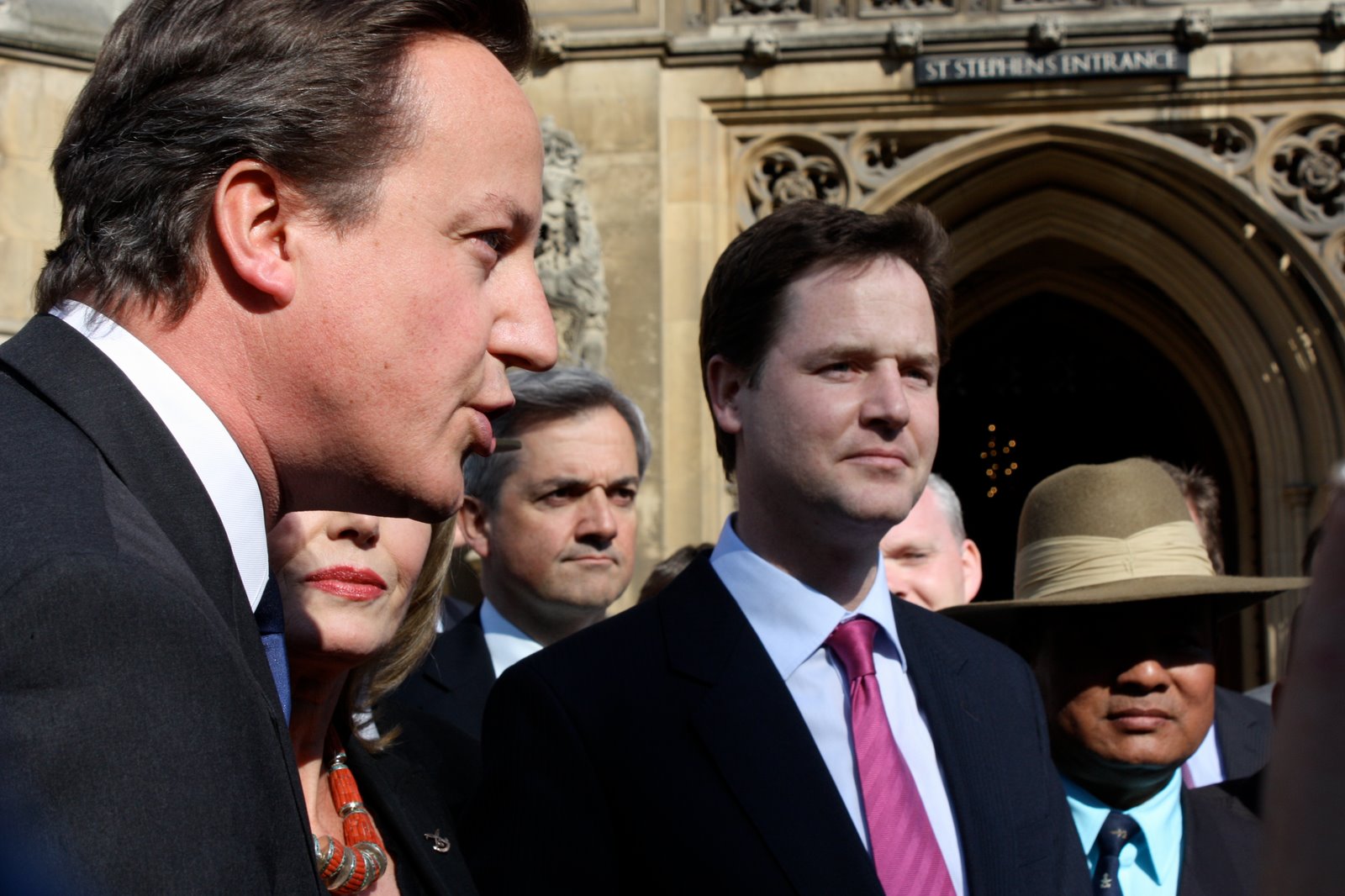
And yet the unknown is for how long this protest will last. Scotland clearly wants the Labour party so many thought they might get when Ed Miliband heralded the end of New Labour – no more Blair; no more ‘Thatcher with a human face’. The heart says it is time to force the issue – a vote for the SNP is as much a vote for a change in the Labour party as it is a vote for Nicola Sturgeon’s men and women. But the head says something different. The head says ‘we cannot afford another Conservative government’. It says that Labour needs more seats than the Tories for that to happen and it says the only way for Labour to gain the most seats is for Scotland to return to its political roots. The head says to give up the protest and be sensible about voting, be tactical, even.
For some, polling ruins the fun. But there are twists and turns that the polls, even the exit polls, cannot predict. Regardless, if the result of the election is anything like what the numbers suggest it could be, the excitement won’t stop on May 7th. We will most likely have a minority government, with Labour fearing the backlash in England of an agreement with the SNP and Tory moderates like the Prime Minister worried what a coalition with UKIP could do to their party. The coming months are unknown and unpredictable. This is one of the most engaging periods in modern British political history, and it is one that is being fought between hearts and minds of individuals everywhere.
About the Author





