
For those readers fortunate enough to live in a representative democracy, a question: do you believe your elected politicians (Congressmen, MPs, Deputies, whatever) should act as your delegates and only vote the way you tell them, or as your representatives, trusted to vote in your interest, but according to their personal judgement?
Edmund Burke, an 18th-century member of the British Parliament and noted political writer, believed they should be the latter. He argued in a speech to his constituents that:
“[A representative’s] unbiased opinion, his mature judgement, his enlightened conscience, he ought not to sacrifice to you… Your representative owes you, not his industry only, but his judgement; and he betrays, instead of serving you, if he sacrifices it to your opinion.”
Mr Burke was speaking in 1774, yet his words are cited by politicians around the world today with surprising frequency. In the UK, Penny Mordaunt MP, Jack Straw MP, Bernard Jenkin MP and the present Speaker of the House of Commons, John Bercow, are among many of the current generation of MPs to have reheated Burke to argue they mustn’t be cowed by public opinion. In the USA, noted Senator Arlen Specter used his 2010 retirement speech to say Burke had defined “the model for an elected official’s independence”.
These representatives should remember that Mr Burke lived in a time before Twitter, email, internet news, broadcasts and transcripts of parliamentary debates. Before even mass enfranchisement or even mass literacy. Equally significantly, he lived before organised political parties and their whipping systems, and before powerful corporate lobby groups, both of which routinely ride roughshod over the enlightened consciences of representatives all over the globe. The notion of educated men (for in Burke’s day they would have been exclusively men) making sound and independent decisions of conscience on behalf of their electors, lacking any idea of the changing views of those electors, is no longer accurate or relevant.
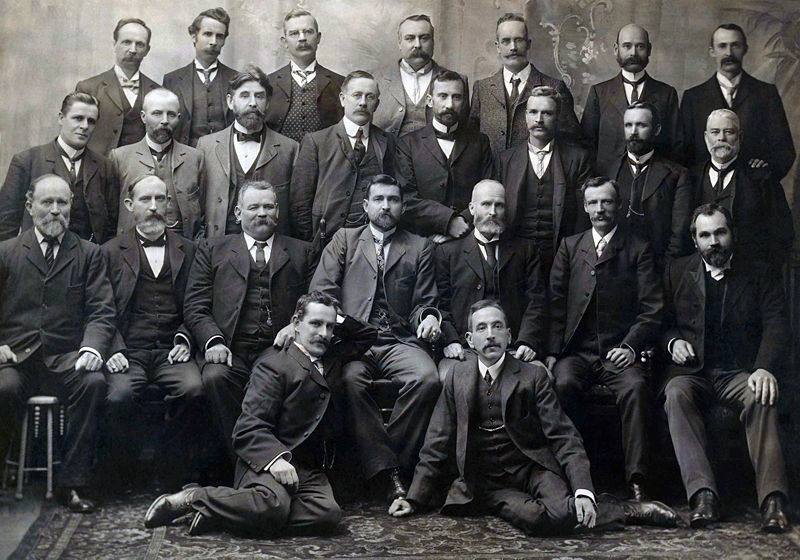
Little has changed in the way politicians think about their responsibilities. Image Credit: PD-Australia
Instead, today’s representative democracies exist in an age when all men and women over a certain age can vote; nearly all can read and write; many are able to send a Tweet or an email to tell their representative their thoughts; and many can learn about an issue, or watch their politicians in session, via television or the internet. Never mind the principle: it was once not logistically possible for politicians to act merely as delegates for an educated, switched-on population. Now it is.
In light of technological and societal changes, and of (generally) diminishing public trust in politicians’ judgement, perhaps the time has come to consider how much agency we allow our representatives, and the methods available to curtail that agency should we deem it necessary. Recall elections and referendums could be more widespread than they currently are; few countries use them, and though the current UK Government promised to institute recall elections in the May 2010 Coalition Agreement, it has not yet done so. Representatives could take direct digital engagement with their constituents more seriously, and commit more strongly to conversations with their electors via Twitter, Facebook and email.
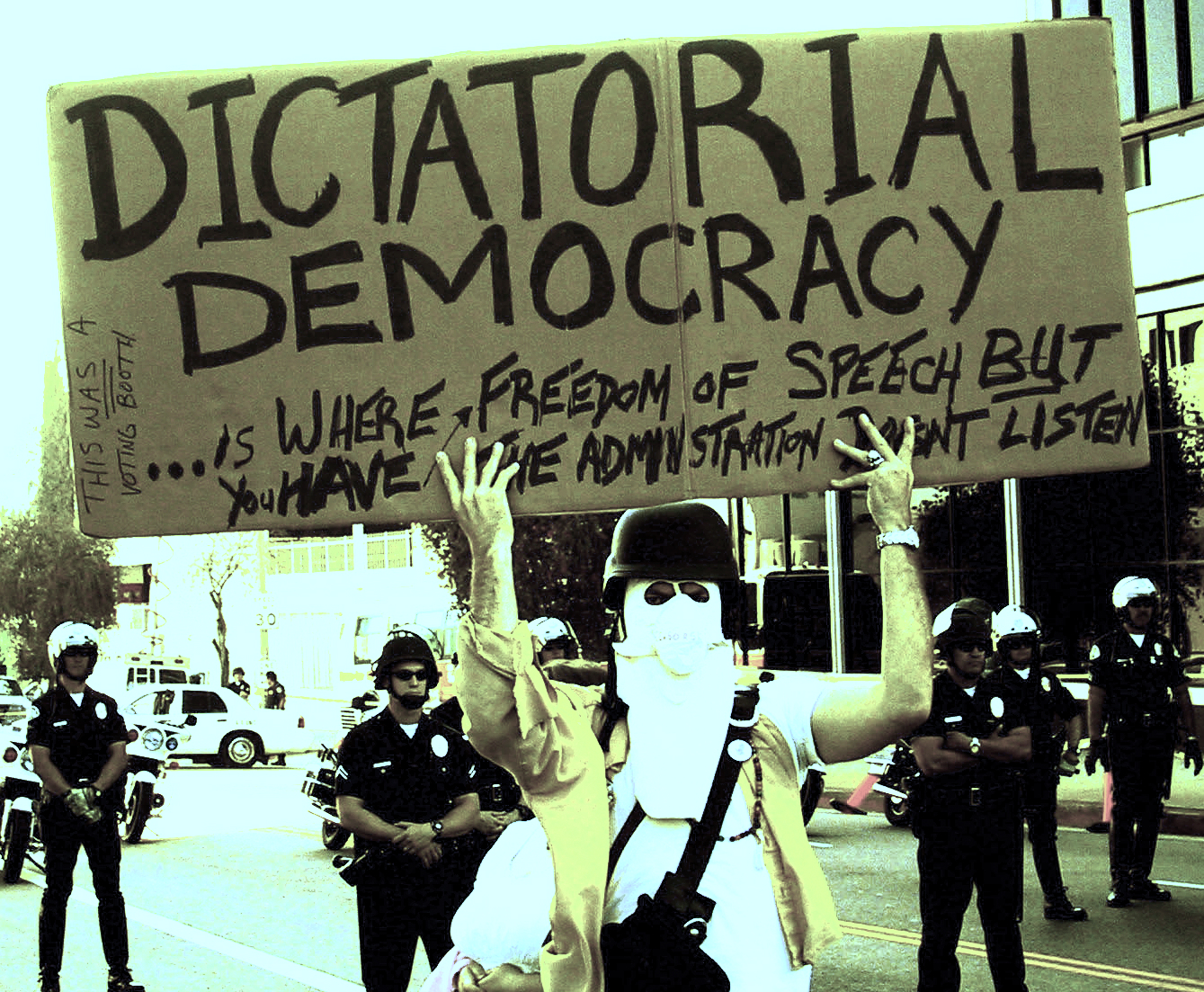
Do politicians need a rethink? Image Credit: Flickr
It’s worth remembering that huge decisions are still taken by elected representatives that weren’t part of their manifestos (and some promises aren’t kept which were). Within the bounds of a politician’s free judgement, there still exists tremendous scope for impactful action over which voters have no say. I can think of no finer example of this than Tony Blair’s decision to take the UK into war in Iraq in 2003, a decision that changed the geopolitical landscape and affected the lives of millions, often negatively. One million Britons marched against that war – the biggest popular protest in British history – and he ignored them, based on a personal judgement call.
We still permit our representatives a huge amount of agency, and a 240-year-old speech is still held up as the best argument for why. This is a question we need to revisit.
About the Author






…Never mind the principle: it was once not logistically possible for politicians to act merely as delegates for an educated, switched-on population. Now it is….
Once you have the technology, you don’t need the delegates at all. Your argument is an argument for supporting a governing body run by civil servants who put each day’s decisions out to a facebook page for voting and harvest the results after a week. No MPs needed at all.
In reality, of course, the vast majority of people are too dumb or too lazy to govern themselves properly, and if asked, would vote for a large NHS, large welfare payments and no taxes. Instead, what they will get is what the few powerful people in the country want. That is what MPs are for, to pretend to the people that their votes actually matter