
“The right to vote is a fundamental human right”… “Prisoners give up their right to vote when they commit criminal offences”.
The cyclical debate is endless; but should prisoners denied this right be awarded compensation?
The Scottish Referendum has brought this issue into question yet again after patriotic inmates Leslie Moohan and Andrew Gillon claimed being unable to vote on the Yes/No Question was an infringement of their human rights. In 2005 the European Court of Human Rights ruled that the UK’s blanket ban on prisoners voting does not conform to the European Convention on Human Rights, and that the UK would have to justify its departure from the principle of universal suffrage and comply with Article 3 of the First Protocol.
David Cameron recently spoke about the thought of prisoners voting as making him feel “physically sick”. But with inmates being highly affected by the government of the day, it seems appropriate for them to have some say in who regulates prisons. Alex Salmond has boldly granted 16 and 17 year olds a vote in the upcoming referendum, a move which certainly has its merits. But does a tax evader serving a six month sentence not have more wisdom and experience to make an informed decision about who should run the country, or, the perhaps more pressing matter of whether their country should become independent?
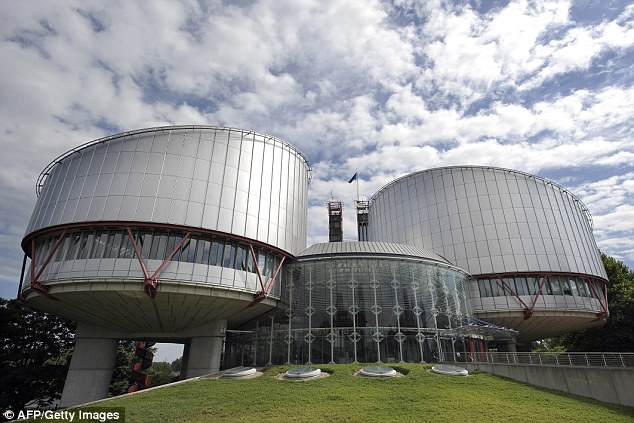
ECHR in Strasbourg. Ten men serving sentences in Scottish prisons had argued their human rights were breached when they were not allowed to vote in the European elections in 2009. Photograph: Afp/AFP/Getty Images
Up until now the ECHR has respected Britain’s right to parliamentary sovereignty on this issue. Ministers breathed a sigh of relief last week after it was decided that the UK government was not required to pay out compensation to prisoners denied the right to vote. Compensation claims made under the Human Rights Act are in fact rarely successful, unless financial payments are required to achieve “just satisfaction”.
However, it may have been just to award legal costs to the ten Scottish prisoners who took their case to Strasbourg to no avail. Calls for a more proportional ruling on this matter are indeed popular, with the Cross-Parliamentary Committee on Prisoners Votes suggesting those with one-year sentences or less should be allowed to vote on the grounds that their crime was not severe.
At least 18 other European countries already allow offenders the right to vote; in France a grading system means that voting rights among prisoners are relative to the crime committed and disenfranchisement can therefore be added on as part of a sentence. Equally, Iceland reserves disenfranchisement for those who have committed ‘heinous’ crimes.
https://www.youtube.com/watch?v=MURH0_l__ZQ
About the Author