
Manila is in a pollution crisis. Currently home to 12 million people it is no surprise that the countries infrastructure is struggling to keep up with the population boom. This dense sprawling urban environment forces much of the population to live in slums bordering the cities waterways to the Pasig River. This slum population is estimated to reach a staggering 9 million by 2050. You can imagine the pollution, rubbish and household waste pouring into the waterways daily.
The Pasig River Rehabilitation Commission (PRRC) has been working to revive these biologically dead waterway since 1999. There is a lot of community support for the project, with many local business donating to the cause and government funded ‘River Warriers’ patrolling the river daily to try and keep it clean.
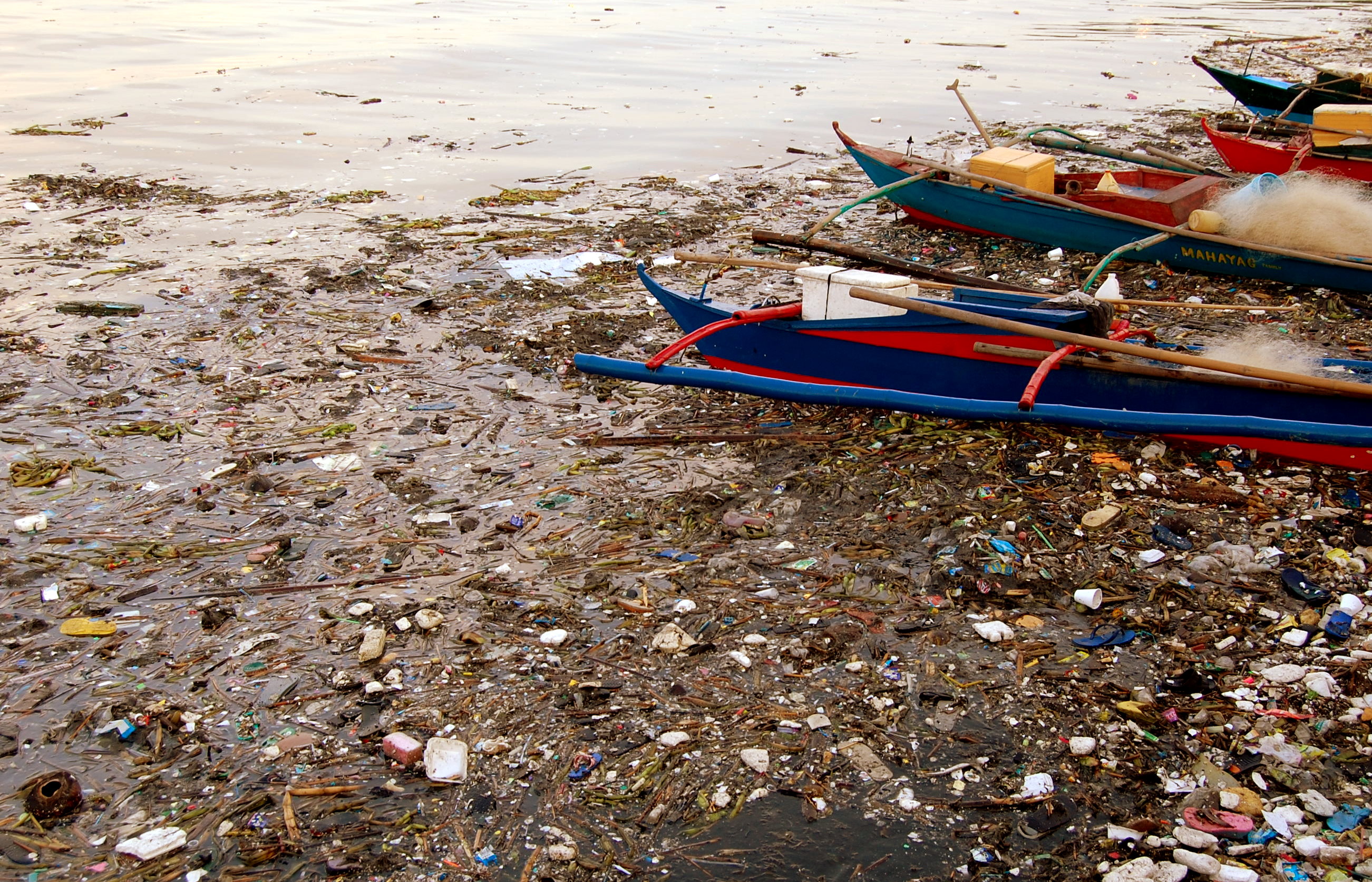
Manila Bay is acknowledged to one of the finest natural harbors in the world and the best in the Eastern Asia region. It lays claim as the place where the most beautiful sunset in the world can be viewed. Manila Bay is also the catchment area of the Pasig and Pampanga River Basins whose organic pollution load from the ever growing urban centers have also earned it the distinction of being the biggest sewer in the world. Image credit: Shubert Ciencia
Perhaps the most incredible part of the operation to clean up the Pasig River is the floating water treatment systems have been placed in the waterways. This remarkably feat of technology was developed by Biomatrix Water, an environmental engineering company based in Scotland. Essentially they have designed floating garden islands that not only have a stable biological population, but also release bacteria from water friendly plants into the water, which in-turn feeds on the pollution essentially cleaning up the toxic waterways and gives nature a helping hand.
Related: The Palm Oil Industry & its Choke Hold on South East Asia
Bio-remediation is one of the love stories of the new paradigm. These images of the healing of polluted waterways with floating gardens in Manila are quite something. Envision a world in which the waters run clear and the aquatic ecosystems are diverse and healthy!
http://vimeo.com/29597724
About the Author





