
The results for the Delhi Assembly Elections 2013 were announced on December 8, 2013. Some twitter users pegged it as an event more enthralling than an India-Pakistan cricket match – a contest often viewed with nationalistic fervor. However, a democratic process like the election is different, and it is a bit inaccurate to equate it with sport – yet, it speaks a lot about the level of excitement which many were experiencing. Going by the tone of the discussion around the new entrant Aam Aadmi Party, the discourse did appear to be driven by emotions of ‘nation building’ and ‘brotherhood’ – something slightly more intense and important than just a cricket match. What was more surprising was that these emotions are rarely expressed while discussing a political party in India.
The excitement and interest in the 2013 Delhi Elections were due to the fact that a new entrant, the Aam Aadmi Party (AAP), had challenged Delhi’s sycophancy and dynasty ridden political culture – many believed this was too ambitious. Others thought AAP had a ‘holier than thou’ attitude and they won’t get far considering the fact that conventional political parties are expected to eat from the same plate and support each others misdeeds. However, convener Arvind Kejriwal preferred to stick to his own way and sold his manifesto of transparency, decentralization, women security and safety, and controlling the price rise among other things.
Interestingly, Delhi was witnessing a record voter turnout in the Assembly Elections this year with around 69 percent casting their votes well after 5 pm. In the results announced on December 8, AAP made an extremely stellar debut in Delhi’s Assembly Elections shocking age old parties like BJP (Bhartiya Janata Party) and royally snubbing INC (Indian National Congress) in the Delhi 2013 Assembly Elections – this event, if nothing else, is likely to be cited as a classic case by political historians for years to come.
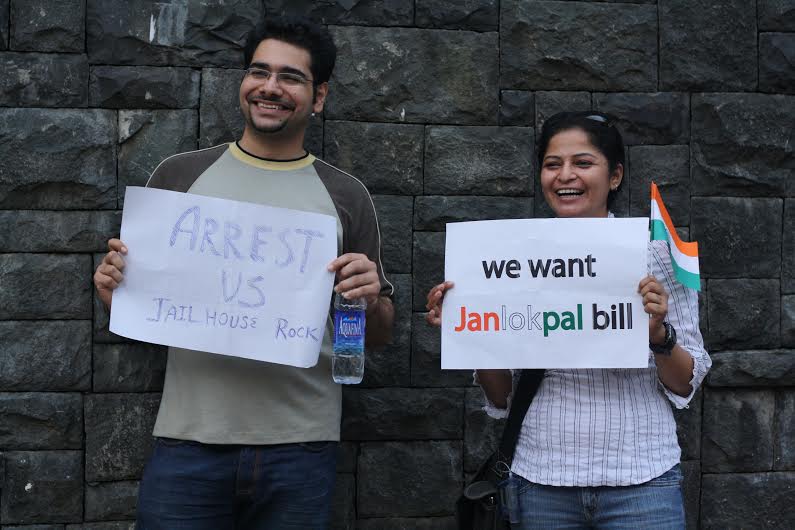
Aam Aadmi Party’s (AAP) Convener Arvind Kejriwal, who is practically a nobody in politics, won over INCs Sheila Dixit (Delhi’s CM for 15 years!) with a massive 22,000 vote margin. AAP also gave a close fight to the BJP, which was accused of serving as weak opposition and colluding with the party in power in various scams. Delhi’s 2013 Assembly Election results final tallies looked something like this for Delhi’s Assembly Elections- INC (8 seats), BJP (31 seats) and AAP (28 seats).
But let’s go beyond numbers and facts now – what allowed a party like AAP, which was launched just a year ago, have such a stellar debut? Firstly, it was indecisiveness and poor governance of both the INC and the BJP during the time they were in power. Secondly, it was about the complete disregard shown towards young voters who witnessed (and faced) political lethargy. For instance; the BJPs weak opposition during multi million dollar scandals like 2G, INCs involvement in the Commonwealth Games, the BJP-INCs collective disinterest in passing a strong anti-corruption bill which led to a massive protest (and birth of AAP), and other instances like facing water canons and police brutalities for protesting against rape! The overall dissatisfaction towards the way the Indian government functioned appeared to be so high, that a tug in the 2013 Delhi Assembly Elections was expected – and it did come.
http://www.youtube.com/watch?v=-axQa-iT0Ds
By general observations, it appears that AAPs stellar debut was supported by the youth. Several random live opinion polls suggested that old dissatisfied voters were willing to give AAP a chance. Similarly, there were young first time voters who said they did not relate to parties like BJP or INC because of their religious or divisive political strategies. In one of TV features, a young voter promised AAP Convener Arvind Kejriwal that his entire family will vote for AAP, and that he should not worry about receiving votes. It is possible that many such youngsters may have voted themselves, and also persuaded older members of their families (possibly traditional INC or BJP voters) to vote for AAP. If true, it could be a big warning for older political parties to fall in line because Indians are largely family oriented, and youth can have considerable influence on the decisions their immediate or extended families make.
If we evaluate the broader implications of this, 64 percent of India’s population falls under the age group of 15-34 – it can be assumed that this group will have an influence on India’s politics and economy in the coming years – anyone attempting to dissatisfy them, is likely to face serious consequence. Furthermore the action hereon has to be decisive and with some rationale – due to non-performance by the ruling parties in the last few years, the young population in India is on a political ‘high alert’ – retribution is guaranteed.
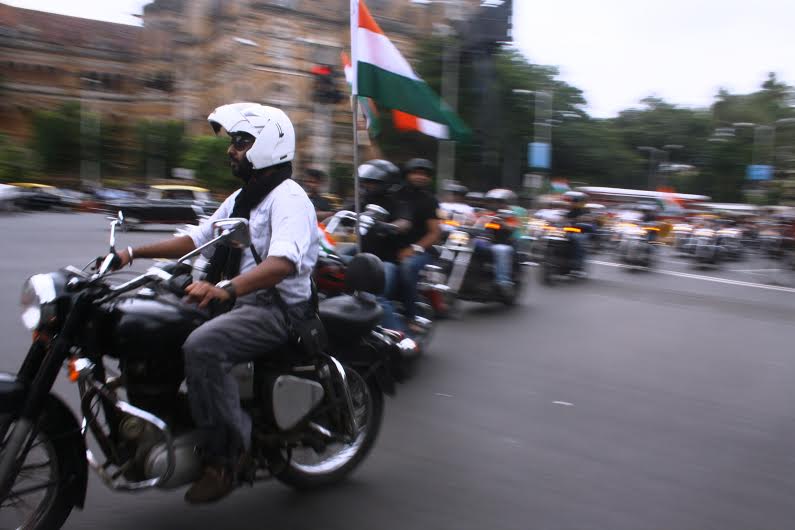
What separates AAP from other political parties is that it appealed to voters who had valued and expected transparency from political parties for a long time but their expectations were never met. Some of the benchmarks set by AAP, which were well appreciated by the educated youth were, for example (1) integrating a system on AAPs official website which gave a clear report of every donation made (2) AAP’s internal policy, which promised that tickets will only be given to clean and non-criminal candidates.
While political parties like INC-BJP have monetary power and influence and stakes in the media to influence public opinion, their own sullied reputations will be tough to reconstruct in the future. Given a choice, the educated youth could opt for a clean alternative like the AAP and might as well persuade others to join.
If these basics do not make Indian political parties take the youth’s demand for transparency and good governance seriously, their days may well be numbered.
About the Author





