
I can’t be the only person who tries and fails every year to simplify, reduce and minimise Christmas expenditure. And this impulse isn’t just born out of financial necessity. The huge excesses of gifts, food, and money displayed at this time of year, the mountains of unwanted gifts (not to mention the packaging), the ker-ching of the retailers’ tills as company bosses run laughing to the bank while the rest of us feel the everlasting pinch until that January paypacket… It all makes me feel slightly sick, and sheepish about the fact that I am contributing to it. Every year.
The nostalgic ideal of a simpler Christmas appeals: with homemade decorations, a small selection of treasured gifts, and full but not dangerously obese stomachs. Family, celebration, and thankfulness. Oh for the days when children were delighted to receive an apple, an orange and a few nuts in their stockings, rather than throwing a tantrum because that wasn’t the iPhone cover they wanted. Right?
Every year I resolve to make this the year that we scale it back: the year in which we won’t be contributing to the huge outpouring of commercialism during the festive period; in which we won’t be spending money on things which people probably won’t want or use; in which we won’t be starting the new year in debt. And every year, at some point, I crack, and it doesn’t turn out quite like I had planned. So is it really possible to have a frugal Christmas?
The Gift Imbalance

The most British of fears about aiming for a more prudent Christmas is that of worrying about how we will be perceived by others. Imagine sitting around on Christmas morning, unwrapping the new iPod your sister has bought you, and watching in horror as she reaches for the package which, you know, contains a poorly stitched sock puppet. The horror! I have spent years totting up how much I am spending on each person, and making sure no one is getting disproportionately lavish – or mean – gifts. That’s just fair, isn’t it? But that also means, if I am spending roughly the same on each person, that I end up making sure I’m getting the most bang for my festive buck when Christmas shopping: I have been known to dismiss purchasing a gift I knew someone would love, because it didn’t look as expensive as it was (and would have used up my budget for that person, so would have been their only gift).
But this isn’t really in the spirit of Christmas. The point of giving a gift, isn’t (or shouldn’t be) in order to get something of similar value in return. As Jack Monroe brilliant explains, if that really is someone’s motivation then a) really? and b) they’ll only make that mistake once. Sure, if you and your family usually do extravagant presents, it would probably be disingenuous to rock up with your small, traditional wooden items and graciously accept their electronic bounty. So maybe mention to people that this year you’re going smaller and simpler. Then it’s up to them – you might be surprised by how many people heave a sigh of relief and admit that they want to do the same. (Of course, if you’re one of the people who gives in order to get, your bluff has just been called.)
Lovely but Useless
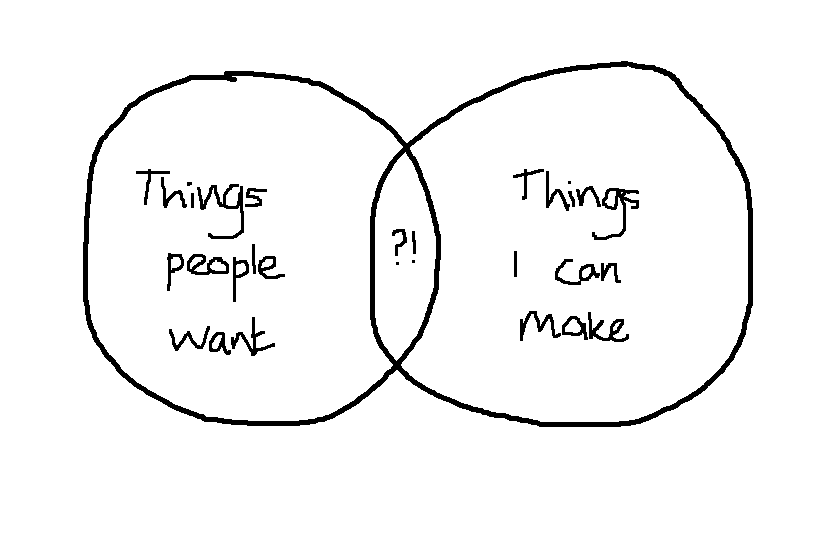
So what exactly are you going to give to people in this idyllic, Victorian yuletide scene? Homemade gifts, as many a scrimper points out, are appreciated so much more because of the time and love that has been put into them. It’s easy, they cry, to pop into a shop and grab something shiny off the shelf, but it takes effort to create something for someone! Well, yes. This is true. But surely the reason most of us don’t go down that route is because, unless we happen to be a carpenter or a well-stocked electronics engineer, we know that we can’t actually make anything that others will want. Endless blog posts across the web on how to make simple homemade gifts just reinforce the fact that, most of the time, you’re going to end up creating something which prompts an “Oh, how lovely! Did you make that?” on Christmas morning and then goes into a cupboard for the next few months until cleared out and thrown away.
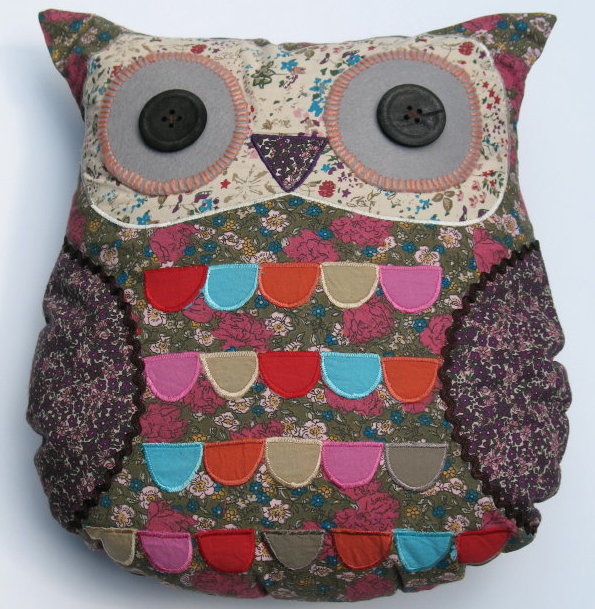
Not to mention the fact that so many of the advocates of homemade Christmases seem to have astonishing levels of creative skills, time, equipment and, actually,money – it can easily become more expensive to make things yourself if you follow instructions from, say, Kirstie Allsopp (it’s easy to make your own baubles, just go to your local friendly glass-blower…).
Well, the thing is, it doesn’t have to be like that. If you come at the issue from the point of view not of ‘What can I make?’ but ‘What might X want? I wonder if I could make that…’, you’re more likely to find something that ticks everyone’s boxes. Of course you’re not going to be able to knock up a quick X-Box out of an old t-shirt, or whittle a fully-functioning Furbie, but there are things that can be made that someone might actually want. If you find the right websites and books, you can hit a rich seam of useful and easy gifts: for foodie gifts try Nigella and Delia; for other simple gifts, try India Knight’s The Thrift Book; try some of the better make do and mend blogs, the Superscrimpers website, and some of the more down-to-earth crafty blogs. If you have access to, and can use, hardware like a sewing machine or a glue gun, that makes things a whole lot easier, but whatever you have available, use your strengths: if you’re a good cook, make biscuits, chocolates, jams, spice mixes, candied nuts and peel; if you’ve got an eye for design and are a computer whizz, design a homemade calendar, or a stylish print to go in a second-hand frame; for family, choose a few photos from the year gone by and create a montage; for children, use images from the internet to create a card matching game… And remember: if you’re really honest, many of the shop-bought (quite expensive) gifts you have given in the past wouldn’t really stand up to the ‘usefulness’ test either, would they?
The Embarrassment of Running Out
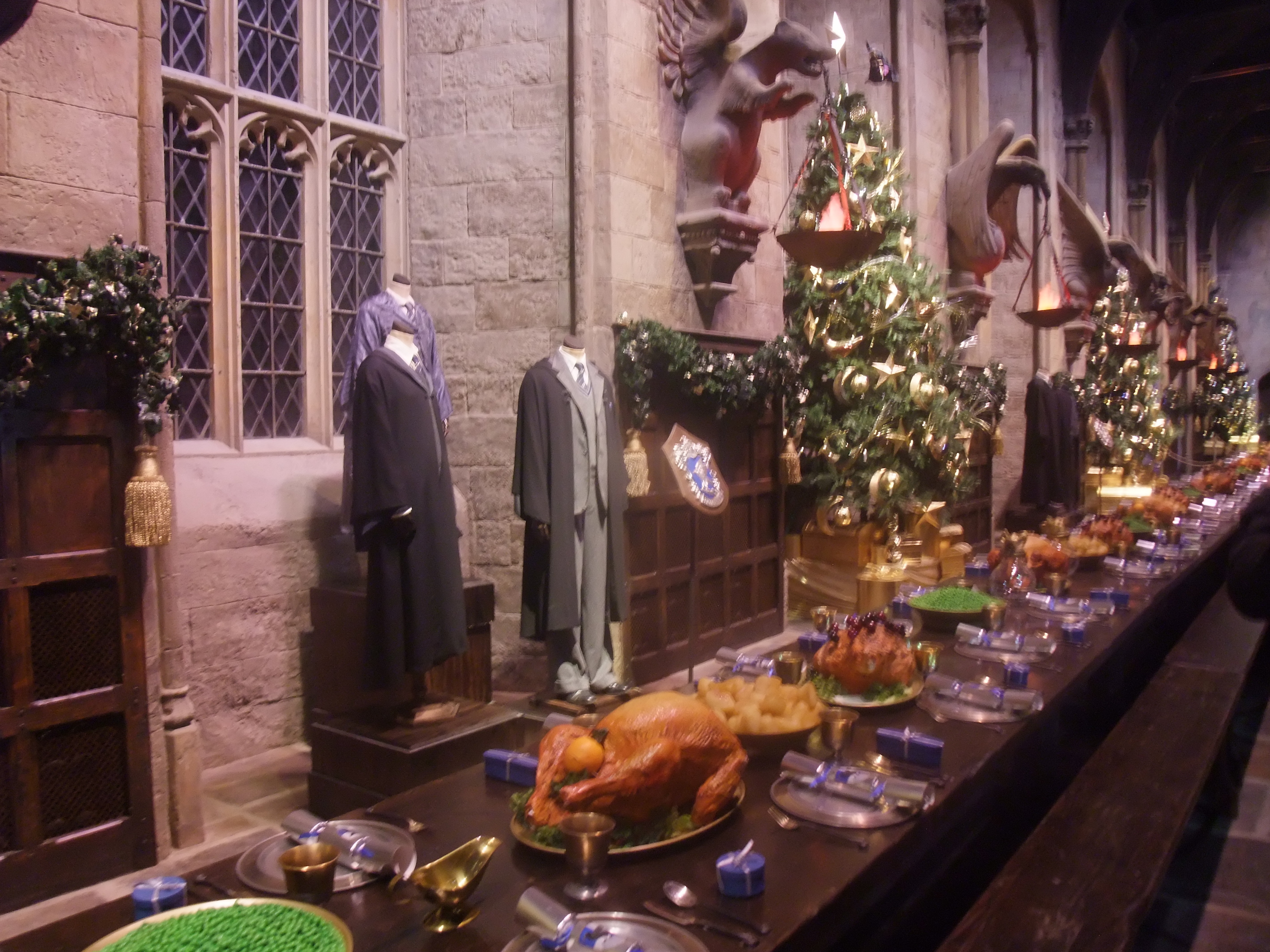
By now, we have all been well-indoctrinated into the Christmas = Excess mindset. Even more terrifying than the prospect of giving someone a gift which is disproportionately small compared to their own offering is the idea that you might run out of something at Christmas. Or that, as a host, someone might ask you for something that you don’t have. So, quite aside from all of the gifts which you need to buy, and the ingredients for the Christmas dinner, and the decorations – you’ve also got to stock up all of your cupboards to groaning point. Bottles of spirits and liqueurs no-one is going to drink; a cake, a yule log and three different cheesecakes – so that there is a selection of desserts available; three times the number of mince pies which will actually be consumed (you can’t run out of mince pies – the horror!) and tubs of brandy butter which sit at the back of the fridge until you finally give in around June time and throw them out.
We know that we won’t get through all of this stuff: that we’ll either be eating turkey casserole well into the Spring, or we’ll be wasting huge amounts of food. And there are simple ways of getting round it. Shop for the number of people who are eating, as with any other meal – it’s just a roast dinner! Ask people what they like – that way, you won’t accidentally scrimp on the one thing that makes Uncle Robert’s Christmas, and if no-one wants to eat yule log, you can stop buying it. Manage expectations, and maybe ask people to share some of the load.
Even retailer giants are trying to persuade us that the point of Christmas is in the small details, and not in the provision of excess. (Of course, ultimately the point is to convince us to go and but loads of stuff from them, but the thought is there.)
Cumulative Competition
And of course, not forgetting the least mentioned but often most significant reason why a frugal Christmas is challenging: competition. It’s not even that we want to have bigger and better Christmases than other people. The biggest competition is with ourselves. Every year, we feel we have to put on a bigger and better show – to out-do ourselves. Or, at the very least, keep up with last year’s efforts. So the idea of scaling back, and having a smaller Christmas just goes against the grain, and seems like an admission of failure.
But surely, the point of Christmas – especially for children – is tradition. The whole point is that you do the same things every year: the stockings on the mantlepiece; the carrot left for Rudolph; the homemade loo-roll/angel decoration you made at nursery. So going bigger, better, shinier year on year just erodes that familiar magic. As long as you keep those key traditions (and, let’s face it, the important ones are usually free), you can scale back on all of the peripheral gubbins and still have a wonderful Christmas. In fact, it might be all the more magical for the lack of shiny distractions.
This article was originally published on Urban Times.
About the Author





