
Africa has contributed the least to global warming among the seven continents, but it is the worst affected by climate change effects and this is projected to get even worse in the future. Adaptation to climate change has faced many challenges further complicating the issue. Substantial financial resources, technical capacity, appropriate policies and institutions; all lack in the efforts to arrest the dire situation that has now resulted in damage and despair for all the entities existent in this planet.
Developing countries are the most vulnerable to climate change effects because of fewer resources hence inability to adapt. With the United Nations Millennium Development Goals deadline of 2015 fast approaching, it is becoming clearer that many poor countries arenot going to achieve these goals; majorly due to the counter-effect climate change has caused in the various sectors of development. However, many governments have given climate change adaptation action a high priority with the hopes of a lasting sustainable solution, but it is evident that they have yielded negligible progress.
Let’s paint the picture; 250 million people in Africa will be at risk of water shortage by 2020 if the current trend continues. During the course of this century, millions of people living in the catchment areas of the Himalayas and Andes face accelerated risk of floods as glaciers retreat followed by drought and water scarcity as the once expansive glaciers on these mountain ranges vanish. Sea level rises will lead to the flooding of coasts worldwide with some small island States like Maldives possibly facing complete inundation and people living with the constant threat of tropical cyclones now face increased severity and possibly increased frequency of these events with all associated risks to life and livelihoods.
For a country to stand any chance of making progress in reversing climate change’s adverse effects, sufficient understanding of the situation is vital. For this understanding to be achieved, there has be adequate operational national systematic observing networks, and access to the data available from other global and regional networks. Developed countries have these systems and the developing world can only learn and implement from the successes. For instance, observation of the climate change in Kenya is carried out by the National Meteorological Department. It offers climate change and pollution monitoring services through the climate change division. The division’s main objective is extensive scientific research including monitoring, detection and assessment for climate change in the country; consistent with the regional/global issues of climate change.

On the outskirts of Dadaab, where many refugees are sheltering as the main camps are overcrowded, a family gathers sticks and branches for firewood and making a shelter to protect them from the elements and wild animals. The carcasses of animals which have perished in the drought are strewn across the desert. Image credit: Andy Hall/Oxfam
These systematic observations of the climate system are usually carried out by – besides the meteorological centers – specialised centers, such as those that monitor the seismic activities that may lead to earthquakes and subsequent tsunamis. They take observations at standard preset times and places, and monitor atmosphere, ocean and terrestrial systems. The major climate variables measured include temperature, rainfall, sea surface temperature, sea level rise, wind speeds, tropical cyclones, snow and ice cover.
A myriad of factors contribute and compound impacts of the current climate variability in the world. Many of these factors have far reaching consequences for the poor countries’ ability to cope. These include the vicious cycle that encompass poverty, weak institutions, lack of skills, limited infrastructure, inadequate information and technology, not enough basic primary education and health care, armed conflicts and poor access to resources. Over exploitation of forests and other land resources, exponential population growth and desertification add to the already deplorable situation. With the governments seemingly helpless, not much looks promising.
The Climate Change Vulnerability Monitor is a global independent assessment of the effects of climate change in the world currently and prediction of the near future impacts of climate change. It suggests that over 300,000 lives are lost annually to global warming effects. Lives in semi arid areas in Kenya are rapidly being reshaped to suit the irregular weather patterns and the new reality of negative changes brought about by global warming. The Samburu have coexisted with the relatively harsh environment for generations but the consequences of the global warming phenomenon are piling up too fast for them to cope.
In the light of accelerated climate change induced disasters, a global partnership of countries most vulnerable to climate change was formed under the banner The Climate Vulnerable Forum to help address the crisis. Former President of the Maldives Mohamed Nasheed led the formation of this forum after The Intergovernmental Panel on Climate Change’s (IPCC) 2007 report projected that most of the inhabited areas of the Maldives will be inundated by 2100. The Climate Vulnerable Forum sounded an alarm at the rate of dangers witnessed globally due to the human-induced global warming and called for concerted efforts by international corporations to tackle the environmental issues.
This dire situation exists all over the world in-particular for developing countries, which have contributed the least in green house gas emissions, are experiencing the worst of effects. Nomadic communities in Kenya, Ethiopia and Somalia have long lived off livestock but are now at risk from new climatic developments. DARA report on climate vulnerability has it that 99% of mortality is happening in developing countries and 10 million people are estimated to live under the threat of climate-aggravated desertification by the year 2030 in the event that no constructive action is taken.
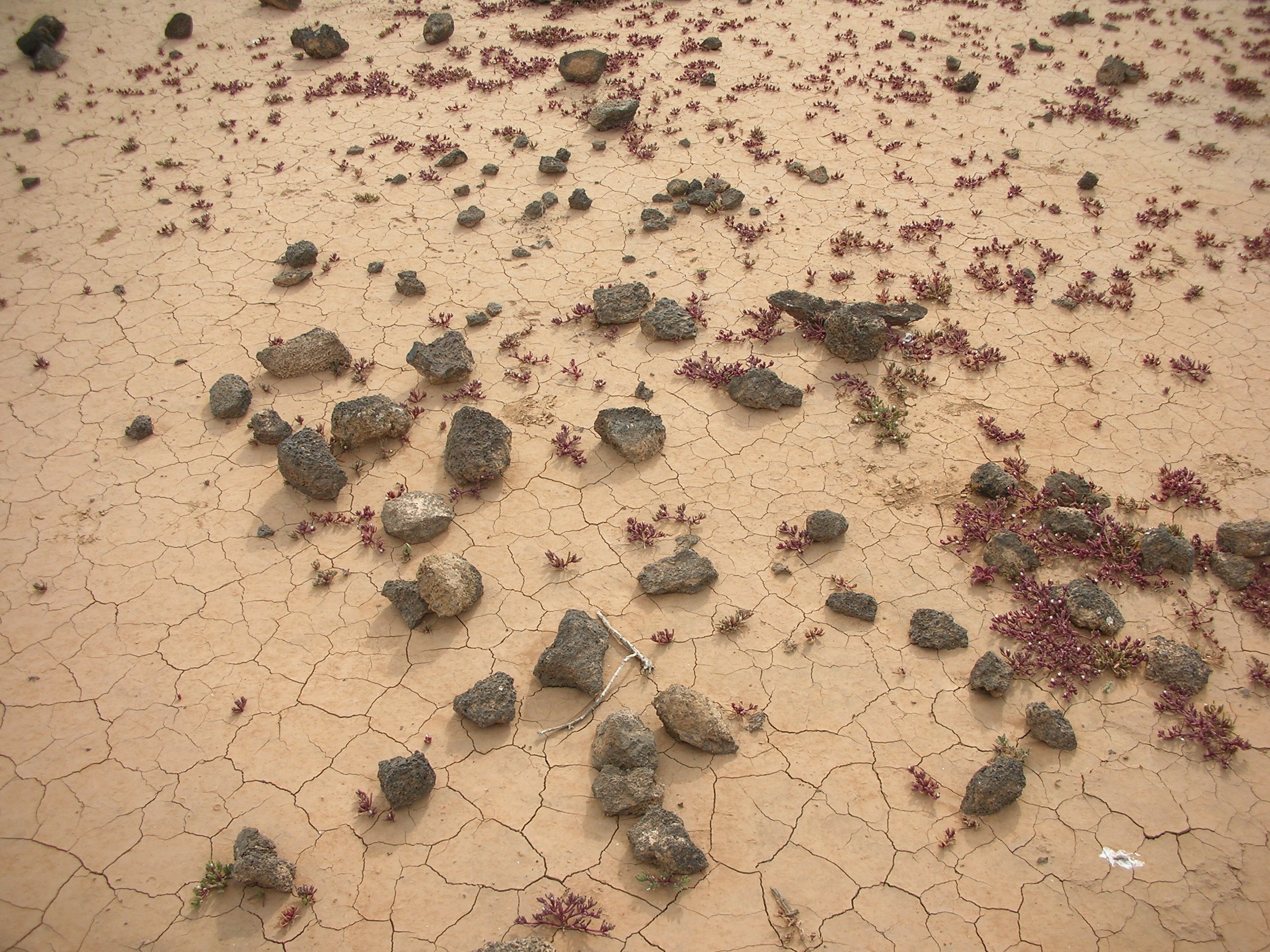
Lobos Island desertification. Image credit: Federico Del Bene
Africa is susceptible to numerous climate sensitive diseases such as malaria, cholera, tuberculosis as mentioned here by Vanina Guernier. Increasing temperatures are changing geographical distribution of disease vectors which are now migrating to new areas and higher altitudes. For instance, East African highlands which were previously unexposed to malarial infection are beginning to see mosquitoes migrating to the higher altitudes. With diseases such as HIV/AIDS and violent conflicts already reducing life expectancy in African countries, populations face rising propensity to infectious diseases such as cholera, typhoid and malnutrition.
Many particularly vulnerable communities in Kenya have adopted coping strategies that have ensured they still exist. The Turkana community inhabiting the shores of Lake Turkana has embraced fishing and is increasingly venturing into farming. However, they face new challenges considering that environmental issues cut across all spheres. At the delta of River Omo and Lake Turkana, the waters are rich in fish. This has prompted conflict between the Turkana and the Merille from Ethiopia fighting for the resources leading to deaths and abandonment of this area. The two communities watch from both ends as almost the only source to provide a decent livelihood lies dormant.
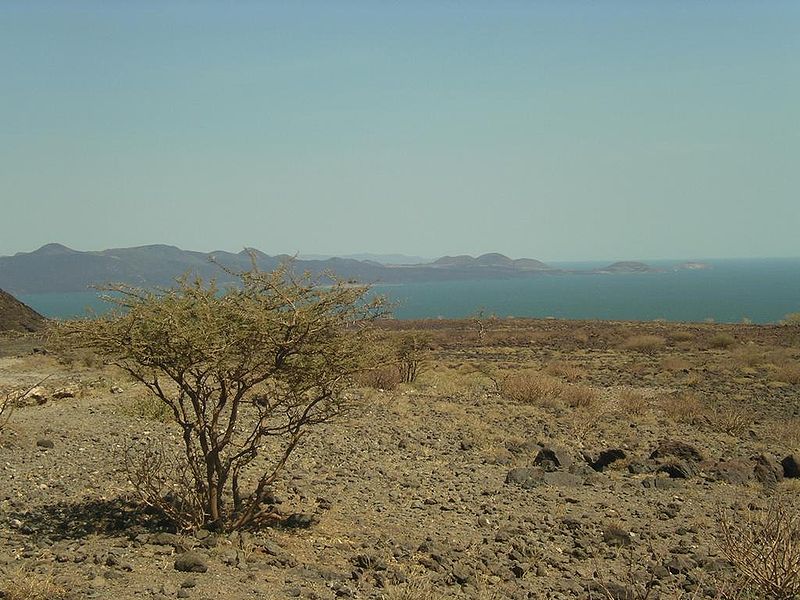
Lake Turkana. Image credit: AdamPG
Many of the climate change impacts caused by human activities today could be prevented. Several cost effective actions can be taken to reduce climate vulnerabilities in the developing world. Greater impacts are inevitable, however, and the only thing that can be done is limiting the damage and selectively evading more damages. Addressing the now speeding desertification, loss of biodiversity and regular natural disasters like earthquakes, tsunamis and mudslides must be done as they reach near critical levels. However, actions like substantial reduction of greenhouse gas emissions will go a long way in easing the aforementioned impacts in the future. Cleaner production mechanisms and a change in consumption patterns by the world population are vital if the attempts to stifle climate change consequences are to succeed.
Economically, the world has suffered insurmountable losses as a result of climate change and this has strengthened the vicious cycle of vulnerability rendering the affected populations more helpless and in need of interventions in the wake of economic crisis that has gripped the world. No aspect of the environment exists without the others and this is often seen whenever there are disasters all over the world. The 2010 earthquake in Haiti reverberated throughout the world in the form of economic disruption. The same happened after 2011 tsunami in Japan, as the rest of the world grappled with what was left to help rebuild the trodden countries. In Haiti, not much has been achieved because of the extent of vulnerabilities in small island developing states. Japan is on the road to recovery, despite new fears of nuclear leaks. This hammers a point home; the economy of a nation is key to climate change adaptation, preparing for a disaster and disaster management.
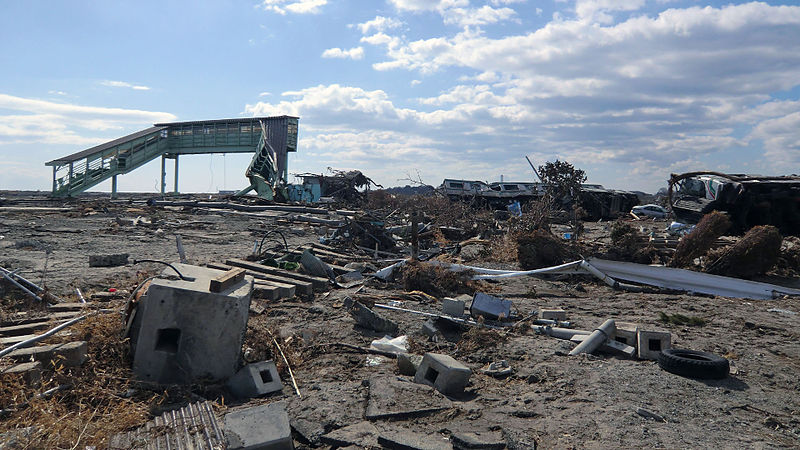
Remains of Shinchi Station after the 2011 tsunami. Image credit: Kuha455405
In Africa, economic sectors such as agriculture, fishing and pastoralism have suffered immensely as a result of the increasingly unreliable climatic conditions. Other sectors like tourism are beginning to feel the heat, hence more pressure on the government. Tourism in Kenya is the second largest foreign exchange earner for the country, it has been promised that the dwindling number of tourists will not be a regular occurrence. The real effects of this are being felt on the ground, where locals have depended for decades on the revenues collected through tourism, a good example being the Arabuko Sokoke at the coast. The year 2011 was considered a success in the tourism industry but we cannot let that blur our vision of a potentially dismal future if we remain in this current situation.
With the existing economic situation in the developing countries, funding is central to climate change adaptation. However, even the developed countries will have to adapt to climate change and this is costly. Developing countries which are the hardest hit by climate change impacts have also the least capacity to adapt both in terms of technical expertise and financial resources. Lack of adequate financial resources has always been highlighted as the biggest impediment to implementing adaptation projects. Accessing the available funds is a tedious and bureaucratic process. There is a dire need for new international financial mechanisms to provide sustained and sufficient responses to adaptation. All eyes are now on the developed nations to set up healthy funds for adaptation ventures, considering the widespread belief that they are more responsible for global warming and other climate change impacts.
About the Author





