
The coffee industry in Colombia was one of the principal engines for the development of the country in the last century. The legacy of coffee is significant for the country, being the world’s biggest exporter of coffee for almost 70 years. The organization of the coffee industry is deeply embedded in the country’s politics and the official association of coffee producers has an important role in elections, political debate and lobbying processes.
This year, an unexpected general strike was organized by the coffee workers, paralyzing the country. One of the most important roads that connects the south and centre of the country is blocked and other major sectors of the economy have shown interest in joining. The situation is especially alarming for the national government who are trying to negotiate but cannot establish a binding and successful agreement that will motivate the strikers to go back home.
The strike is evidence of the complex transformation that Colombian society is going through. Political factions are using the strike to deter or support the measures adopted by the state. It has been argued by some that the guerrillas in the country are behind the strike and must be suffocated. This event has polarized politics. On the one side there is the state and the negotiated solution of the conflict, on the other there are the coffee workers’ mobilizations, the guerrillas and the supporters of the ex-president Alvaro Uribe, who are disturbing the construction of peace in the country.
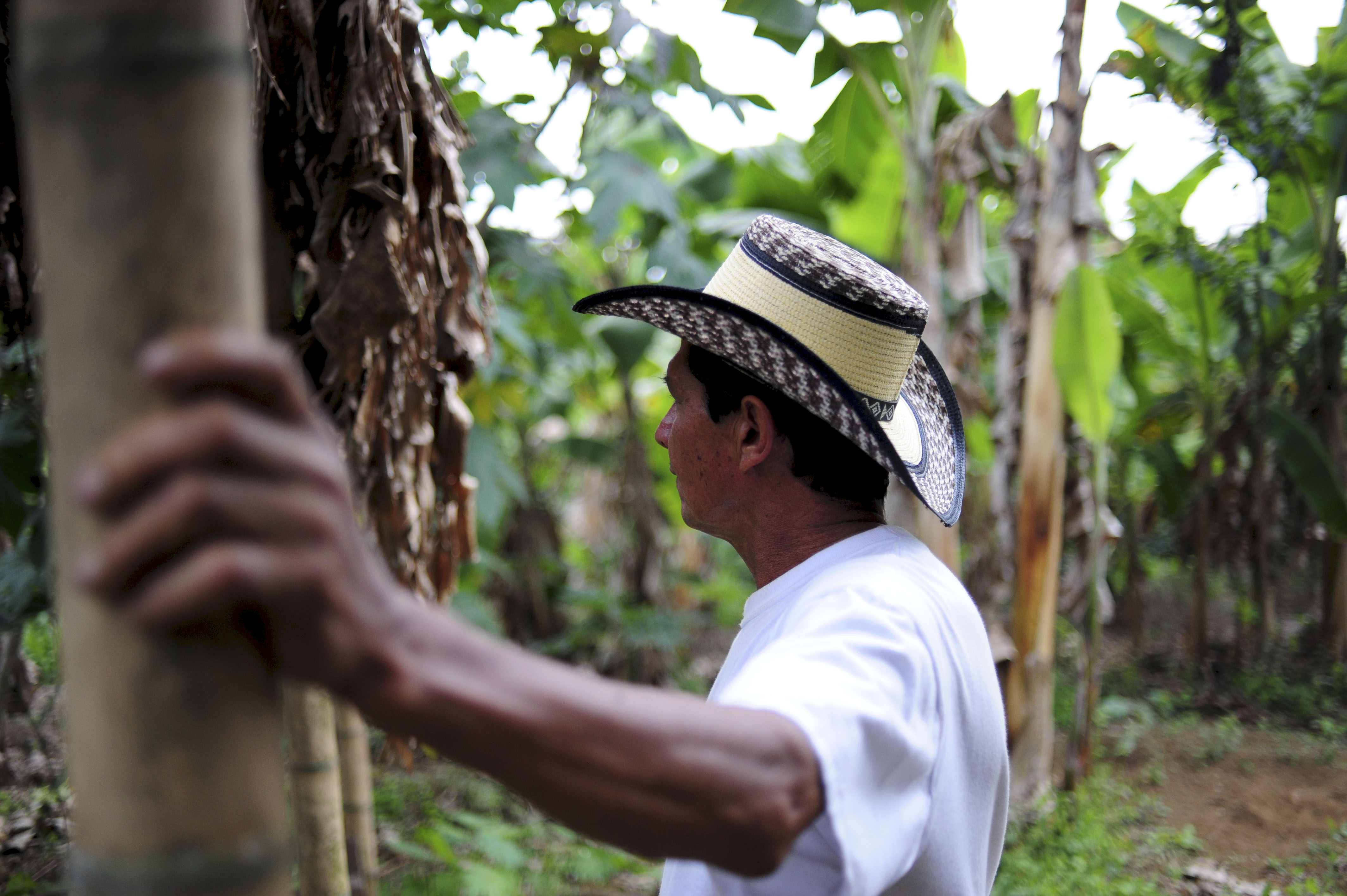
Image Credit: Neil Palmer (CIAT)/Flickr
Politically, the government has to recognize the different social organizations that are responsible for the protests. To tackle this issue it is important to get closer to the strikers and not just negotiate with the president of the official federation who has scarce if not zero legitimacy. Old political structures need to be revolutionised in order to deal with the demands of new actors and organizations.
Besides this situation, there is also a process of deep economic transformation that the government has been ignoring. The transformation of an economy based on farming and ranching into an economy mainly connected to the production of mineral and petroleum has not been dealt with by the Colombian State. This means that the expectations and processes of different sectors of the economy are out of line. The state has focused its efforts on the development of the petroleum and energy companies and has abandoned the emphasis it used to put on the farmers and coffee workers.
In the last decade of the 20th century the Colombian State opened its frontiers to free market treaties. The protectionist system in Colombia benefited the coffee industry more than other industries and with the change in the rules of market the prices lost their international support and the coffee industry collapsed.

The government started to deliver programs of financial support giving relief to the members of this sector. However, in the long term the programs did little to deal with the real problems.
The government has focused on the production of minerals and has promoted development by stimulating projects in this sector. Meanwhile, other sectors have received less attention and become drawn to protests and strikes. The poor handling of this issue limits the prospect of long term peace and invalidates the current negotiations. Moreover, this strike shows that Colombia has not adopted effective economic management. In economics political interest must be tackled. Policies which focus only on one sector damage the country’s well-being as a whole. This could be the political side of the so called Dutch Disease.
About the Author





