
Imagine if world leaders were to age in reverse.
Imagine if they were born with the physical maladies of an 85-year-old.
Imagine it they were just like Benjamin Buttons, Brad Pitt’s title role in The Curious Case of Benjamin Buttons.
They would still experience the various international environmental summits – from the Earth Summit in 1992 to the 2009 climate change negotiations in Copenhagen, and even COP18; the most recent round of climate talks. Only, rather than being able to hide behind veils of blank prose, weak phrases and trite reaffirmations of previous aspirations – they don’t. They no longer possess this self-forged privilege, because they are now young.
As they witness the petty-squabbling, vested agendas and short-sightedness through the eyes of youth; world leaders now understand the concerns expressed by youth around the world about the precarious nature of their future.
Intergenerational justice is now understood, and considered important.
Intergenerational equity has been a principle of the UN since 1992, where children and youth were officially recognized as a major stakeholder during the Earth Summit.
Over the last two decades the role of youth has diminished though as they are sidelined. As Mary Robinson, former President of Ireland, said: “It’s more the children and youth’s world that we are throwing around than ours.”
Nevertheless, this hypothesis of Benjamin Button is merely fiction. In reality, international negotiations are overpopulated by power suits, where intergenerational equity is sidelined and youth are widely excluded from policymaking. Setting sights on short-term economic development, the current generations compromise future generations by limiting their choices in meeting future needs.
Unfortunately, in Doha, the negotiators are not young. Things still reflect the status quo or something worse. At COP18, the Secretariat are strictly enforcing a rule that prevents minors, those under the age of 18, full access to the conference.
One month shy of turning 18, I am barred from full participation at COP18 under this decision; despite having attended other UN conferences.
Within my lifetime, our planet will undergo a colossal transformation, one that we are entirely unprepared for, yet youth are being shut out. We are not in the rooms where decisions on international climate policy are largely made by people who simply will not be alive to see the worsening effects.
Despite the physical barrier that I face, I am more motivated than ever to continue on this lifelong project of effecting change to build a sustainable future that recognises intergenerational justice.
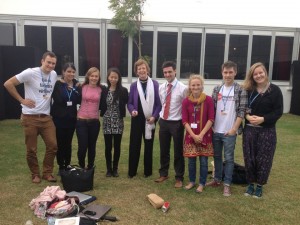
Mary Robinson Foundation
About the Author





