
The tension between North Korea and South Korea has intensified continuously and dangerously over the past few weeks, to the point where the North has become a leading feature of international media coverage. However, the voice of a group whose lives would be affected the most if war did set in are often missing from the media reports – the young South Koreans. They are now stuck in a situation of possible war, a subject that they rarely have thought of, and have actively tried to ignore. The anger they feel amid the crisis reveals a great deal about the injustice within South Korean society.
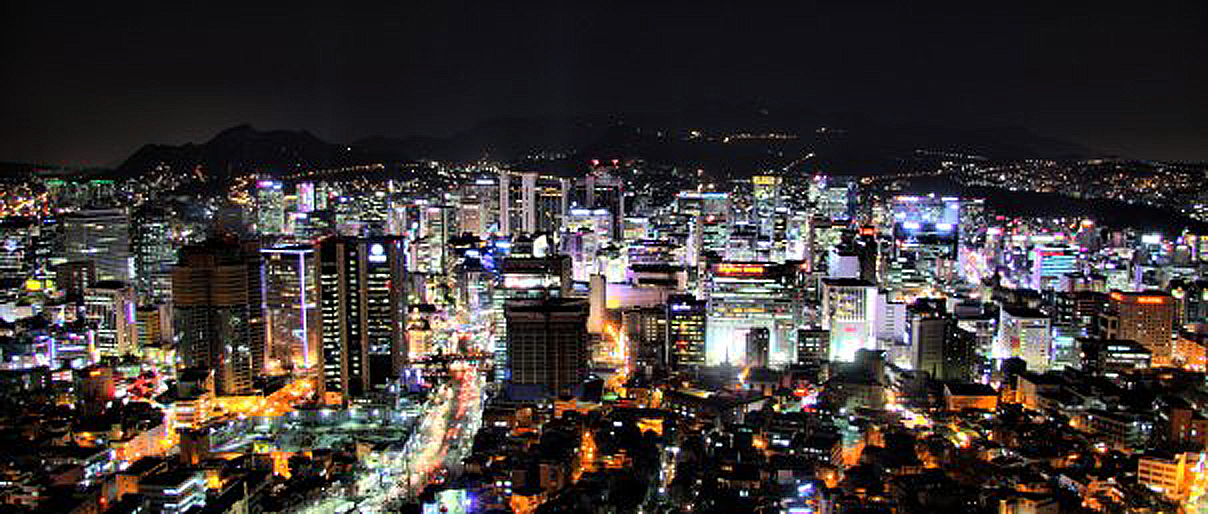
My friends and acquaintances outside Korea demonstrate panic upon hearing the reports, many of them considering cancelling upcoming trips to South Korea, whereas those living inside the country seem to stay perfectly calm; a totally understandable irony. Spending just few months in the capital city makes even the most prudent person slowly numb to city, news. Seoul; a city where young people can have fun all day long, is not only one of the most wired cities in the world, with a high-speed internet PC Bang (cyber cafe) in almost every corner and multiple free Wi-Fi in streets, but a place teeming with well-dressed young people hanging out in bars, various themed-Karaoke and clubs til early morning, singing along and galloping at the sound of the Gangnam Style song. For South Koreans who grew up in this environment and are regularly exposed to news about the ‘dangerous situation’ with the North, it takes really shocking news to make them feel slighted alarmed. This vicious cycle of Northern provocations, followed by governmental reactions and increased tension, which then leads to an exchange of war rhetoric, and then at some point conflicts subside gradually through talk tables – has repeated itself over 60 years.
It does not mean that there have never been occasions when South Koreans have become really terrified news from the North. They have, at some points, hoarded bottled water and processed food, but within a few weeks, things have returned to normal, leaving them feeling awkward for taking the news so seriously. All these factors have involuntarily, but studiously, trained people to grow unresponsive to imminent threats from the North.
Schools and corporations have strengthened this behavioural pattern. After North Korea declared nullification of the truce between South Korea in early March, there was an inundation of complaints online, mostly made by young South Koreans. Students have expressed disappointment at the confirmation that schools will not be giving any day-offs due to this development, and office workers said bitterly that if something actually happens, they will probably die working, being stuck at their usual cubicles, not able to see the face of their loved ones. Many have shared the same story of how their bosses have shown disagreement when they have started discussing the North Korean situation, considering it to be a big distraction, annoyed at workers spending too much time reading updates about North Korea during their work.
Politically vocal young people, bloggers and social media influencers have directed their attention to reading the situation and answering the most critical question amid the crisis with the phrase “Cui Bono?”
Even for those who are allergic to any controversial theories, it is hard to refuse the fact that there are certain groups of people benefitting from this fearful situation. One doesn’t have to be a history professor to know that for centuries fear has been the most effective, powerful tool in silencing critics, labelling oppositions as ‘creating unnecessary commotions and conflicts during the time of ‘national crisis’.
Inflammatory rhetoric from North Korea is stirring up problems in the South. Image Credit: petersnoopy/Flickr
Many progressive, anti-government people have been witch-hunted by the ruling conservative party as ‘Jongpuk’ meaning ‘pro-North’. A ‘Jongpuk Encyclopedia’, which has been promoted by the floor leader of the governing party, lists the names of ‘pro-North’ politicians, professors and media people. It claims many of the opposing parties – 35 percent of the Democratic party and 62 percent of the United Progressive Party – are pro-North Korean politicians.
The crisis has not only been used in ‘outing’ the so-called North Korea-friendly people, but also in disclosing the rampant injustice in South Korean society. It is a great irony that warmongers and many politicians from the hawkish ruling party are believed to have illegally escaped from the obligatory military service which all able-bodied Korean men are required to serve for two years. As the possibility of a war increases, the word “Chicken Hawk” has trended in South Korean social media and Herbert Hover’s famous saying “Older men declare war. But it is the youth that must fight and die” has been frequently quoted by young Koreans.
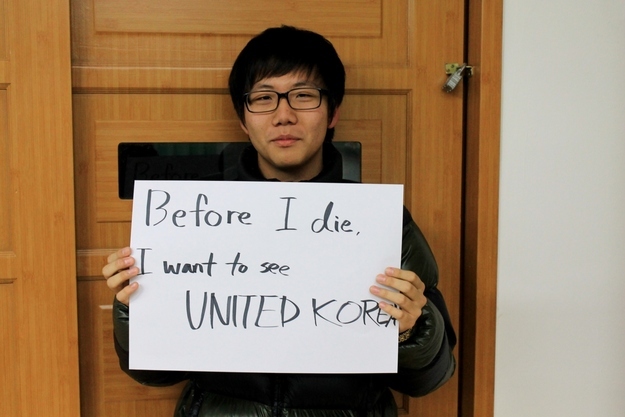
Image Credit: Korean Students Speak/Tumblr
One most well-known draft-dodging tactics loved by upper class, beside faking injuries or illness, is to acquire foreign nationality and stay abroad until the age of 37 to achieve exemption from serving. If a war breaks out, all US citizens will be evacuated, and rich kids who are often U.S. citizenship holders are the next on the evacuation list.
Life is unfair, but it cannot be any harsher for ordinary young South Koreans, who, after being dragged into the military in the prime of their life, now have to face the fear of war, whilst rich kids get away from both.
Related: Korean Students Speak (Pictures from young people in South Korea)
About the Author





